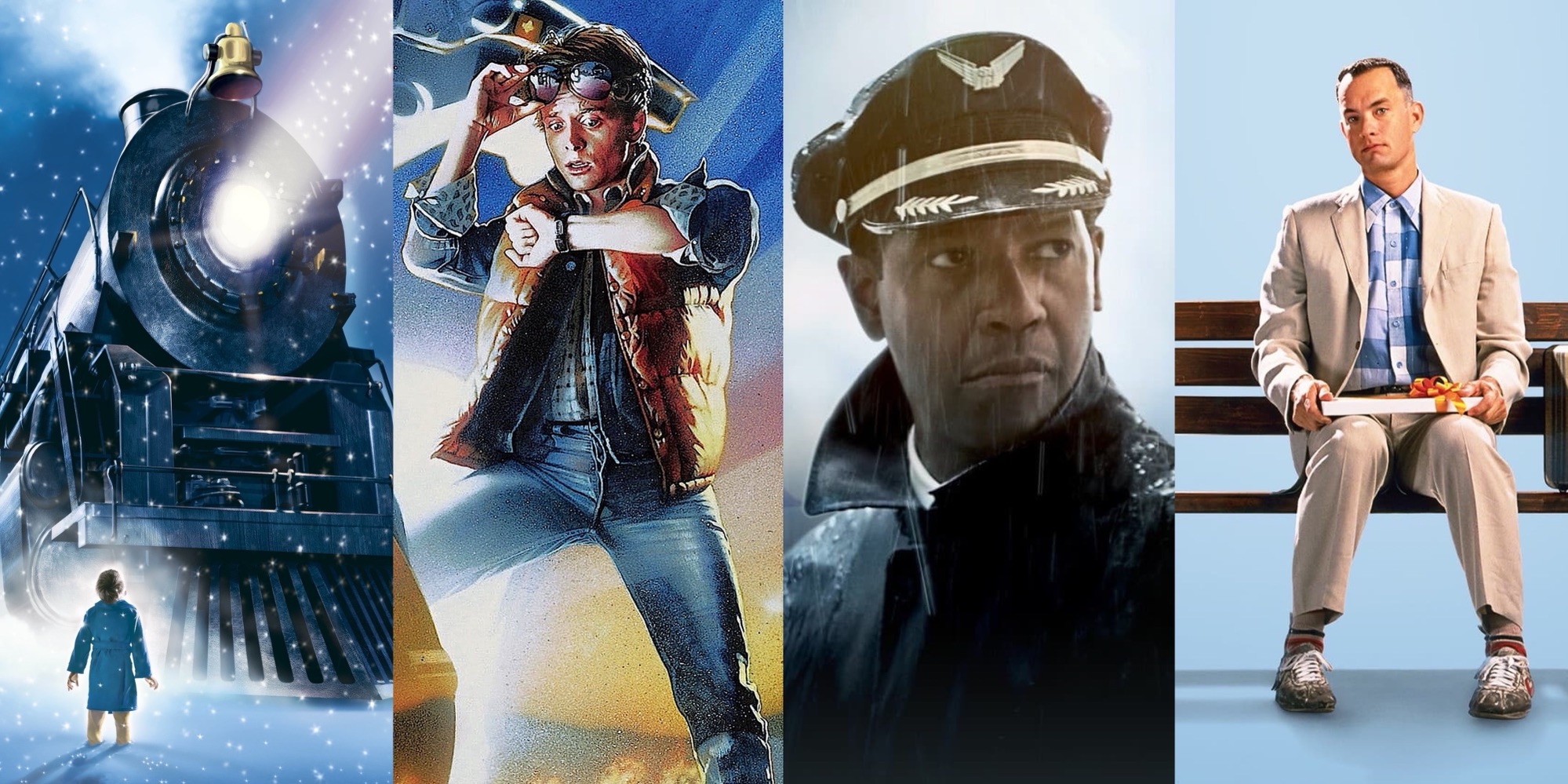
Few filmmakers have created such an indelible and diverse legacy as Robert Zemeckis. Zemeckis, known for his imagination and technological innovation, has created a varied and engaging filmography. It includes heartfelt dramas, daring sci-fi adventures, ground-breaking visual effects, and animated achievements. From time-traveling escapades and life-affirming epics to holiday classics, his movies have touched audiences of all ages, showcasing a playful sense of wonder and an incisive storytelling approach. He has been a director who has been better days after some of his more recent projects, but his earlier films made him one of my favorites, and I’m willing to give him a chance to, from time to time.
When we thought he couldn’t catch a break from his first two films, not making money at the box office or co-writing one of Steven Spielberg’s weakest films, 1941, everything looked up his way 40 years later. Since his first feature almost 50 years later, he’s become a visionary director who pushes the boundaries of storytelling through visual effects, for better or worse, and is responsible for films regarded as among the greatest in cinema.
In our newest installment of Director’s Canvas, we’re looking back at every movie a part of this Oscar winner’s filmography (including his latest Here) and rank them through the disappointments, hidden gems, and guaranteed crowd-pleasers that can’t be hated.
22) Pinocchio
Release Date: September 8, 2022 (Disney+)
Budget: $150 million
Domestic Box Office: N/A /Worldwide: N/A
RT Score: 27%
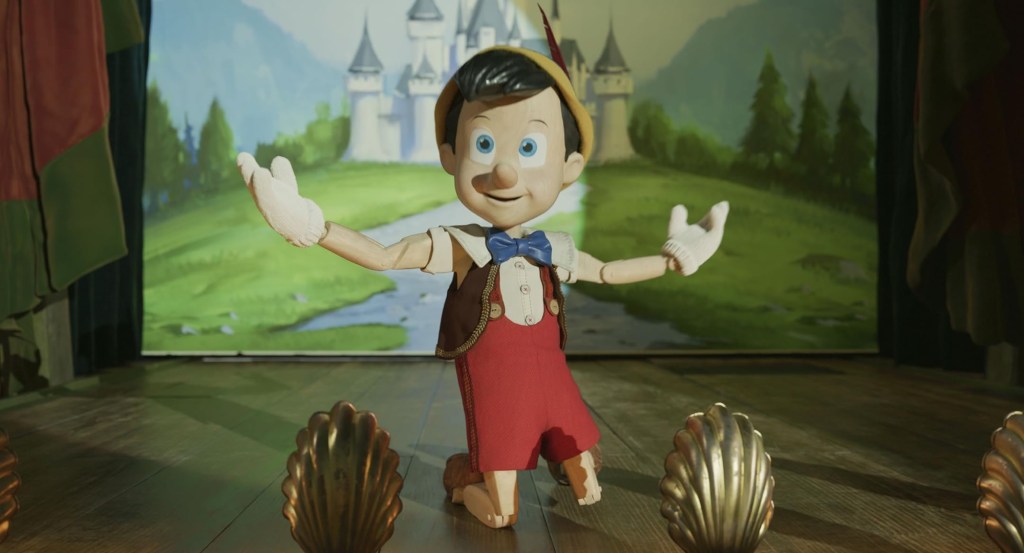
It was an impossible mission for Disney and Zemeckis to handle their live-action version of Pinocchio. We’re talking about one of the greatest animated movies ever made that can’t be touched in any medium. I didn’t care about it when I watched it the first time, giving it somewhere in the C range. After a second viewing to refresh my memory, I can now see why it’s impossible to sit through. Geppetto (Tom Hanks) wishes upon a star for his wooden puppet Pinocchio (voiced by Benjamin Evan Ainsworth) to come to life. With the help of his new conscience, Jiminy Cricket (voiced by Joseph Gordon-Levitt), he must learn what it means to be a real boy by being brave, truthful, and selfless.
You can’t tell this was Zemeckis behind the camera since it’s so artificial, even for a Disney+ original. Despite Gordon-Levitt’s impressive voice work as Jiminy and getting a genuine laugh near the end, it’s a bad remake. Everything you’ve felt from the 1940 original is wholly abandoned, from not feeling any emotional attachment to the characters or getting any whimsical nature throughout. You got changes that lost the essence of the story, from Pleasure Island to the rushed ending that made Pinocchio unnecessary. But the Easter eggs with the clocks or that “Chris Pine” joke from Honest John had me rolling my eyes hard. The real question was how a movie like this couldn’t get Hanks to make it suitable with one of his worst performances. The lesson everyone should take is parents shouldn’t let their kids watch this. And it’s funny that Gullermo del Toro’s brilliant adaptation took home the Oscar for Best Animated Feature; this version won the Razzie for Worst Remake, Prequel, etc.
21) The Witches
Release Date: October 22, 2020 (Max)
Budget: $45 million
Domestic Box Office: $203,571/ Worldwide: $29.3 million
RT Score: 50%
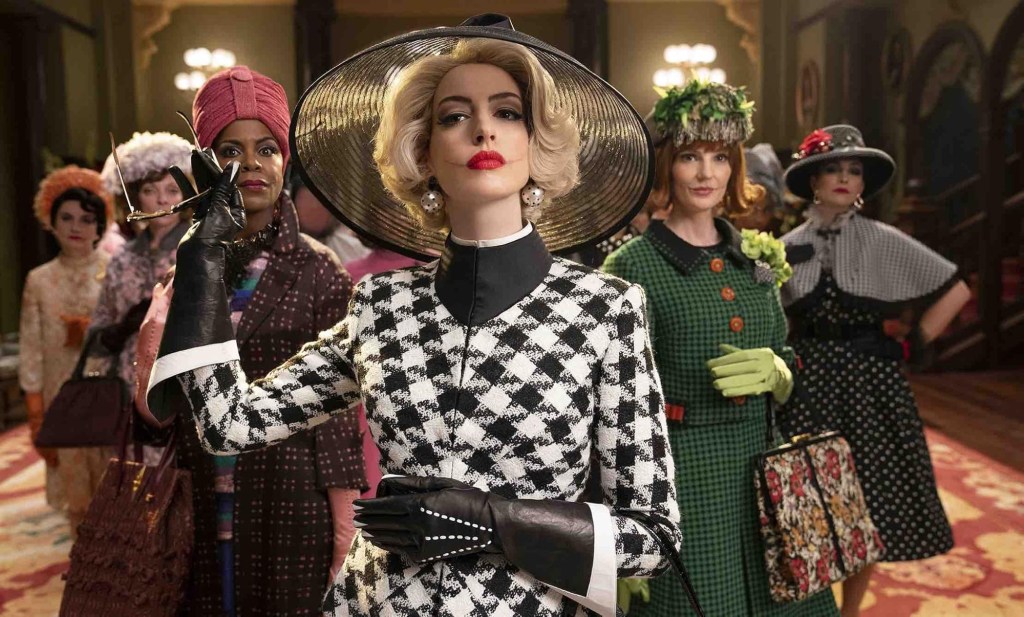
Despite the promising combination of Zemeckis, Guillermo del Toro, Kenya Barris, and Alfonso Cuarón, the adaptation of The Witches falls short of expectations. Even if you haven’t read the Roald Dahl book or seen Nicolas Roeg’s 1990 version with Anjelica Huston, this disappointing adaptation is one to approach with caution. The story follows a young boy (Jahzir Kadeem Bruno) who, while staying at a posh hotel with his grandmother, stumbles upon a gathering of witches led by the Grand High Witch (Anne Hathaway) as they plan to transform children into mice.
When one of his movies is bad, you can’t imagine Zemeckis working to make them come to life. Nobody will ever say this was better than the original because, more than likely, young viewers might gravitate towards what came first. More faithful to the novel as this may be from what I’ve been told, The Witches is the only movie of his I didn’t want to take the time to watch again. Never once did I care less about when Hero Boy turned into a mouse, and all I remembered was what happened to Zemeckis’ career. Some will get a kick out of Hathaway chewing up the scenery with her performance, and you can’t ever go wrong with Octavia Spencer. Still, these Oscar winners are too good to be wasted in a story with little energy. It also would’ve been passable if this had continued to use practical makeup effects over bad CGI that takes away the thrills. All in all, The Witches was thrown onto streaming for a reason.
Full Review—> RIGHT HERE
20) Welcome to Marwen

Release Date: December 21, 2018
Budget: $39 million
Domestic Box Office: $10.8 million/ Worldwide: $13.1 million
RT Score: 33%
Anyone who honestly thought Welcome to Marwen would be Zemeckis’ return to receiving major awards consideration had to be disappointed when this is a prime example of Oscar bait in the 2010s. On the surface, it’s based on a fascinating true story of Mark Hogancamp (Steve Carell), who creates a model WWII village called Marwen to cope with his PTSD after a brutal assault. The women represented there are based on those close to him, including his new neighbor from across the street, Nicol (Leslie Mann).
The story alone had the potential to find a captivating audience in how one must escape into his fantasy world and photograph them. But despite the committed performances from Carell and Mann, respectively, it’s rare to call a Zemeckis film rather dull to find engaging. Something about it made it feel like he was the wrong director for the job. You get these animated sequences of Mark’s dolls defeating the Germans, and they would be fun if the rest of the film had difficulty matching the tone to make the overall experience compelling to recommend. Even the female characters aren’t given enough to work with. From what I’ve heard, the Jeff Malmberg documentary Marwencol gave a better insight into the subject at hand that had to be more inspiring. Welcome to Marwen was forgotten for good reason, resulting in one of 2018’s biggest flops.
Full Review—> RIGHT HERE
19) A Christmas Carol

Release Date: November 6, 2009
Budget: $200 million
Domestic Box Office: $137.9 million/ Worldwide: $325.3 million
RT Score: 52%
Five years after The Polar Express was a box office hit, it didn’t take long for Zemeckis to get back into the holiday spirit when it was his turn to direct a memorable, big-budget adaption of the Charles Dickens classic for the silver screen. But unlike his previous effort, you don’t hear many watching A Christmas Carol as part of a yearly tradition. In reality, it was missing something to stand out from the rest. Three spirits visit the cold-hearted, greedy Ebenezer Scrooge (Jim Carrey) on Christmas Eve to show his life in the past, present, and future to show him his ways to change before it is too late.
When I was 13, I thought this would be a massive event, considering this was the first Hollywood movie I saw in IMAX 3D. There have been so many iterations where the 2009 reimagining needed more spirit. Is this a Carrey performance I consider his very best? Not exactly. However, he gives a fine portrayal of Scrooge and lends his talents to other characters. Zemeckis seemed to stick closely to Dickens’ original with his motion-capture style. Still, with a few good ideas, it doesn’t help when the experience can sometimes be slow and frightening for young kids to rewatch again. More or less, it felt like an excuse to show off the 3D, especially during the pointless five-minute sequence of Scrooge chased by the Ghost of Christmas Yet to Come. While the ambition is there in a desperate attempt to be more outstanding than other versions, A Christmas Carol couldn’t balance the right tones to make it work. It did underperform, and this and the mega box office flop Mars Needs Moms caused ImageMovers Digital to shut down.
18) Allied

Release Date: November 23, 2016
Budget: $85 million
Domestic Box Office: $40.1 million/ Worldwide: $119.5 million
RT Score: 60%
Every director has that one movie everyone forgets about. For Zemeckis, that would be 2016’s Allied, which had me thinking, “Oh, yeah, he did that.” That reaction alone sums up how this period drama was a disappointment despite the captivating story behind it all. Canadian Wing Commander Max Vatan (Brad Pitt) and French Resistance Fighter Marianne Beauséjour (Marion Cotillard) fall in love while posing as a married couple to complete a mission in 1942 Casablanca. Now, together and with a child, Max learns from the Special Operations Executive that they believe his wife is working for Germany, with 72 hours to know the truth or have him shoot her.
Both times I’ve watched Allied, I think Zemeckis wasn’t the right choice to take on Steve Knight’s screenplay. After reading it, you can tell he wanted to be involved. Although the production and the Oscar-nominated costumes are great to fit the World War II setting, the movie was too slow to generate the kind of tension I was hoping for. The first 50 minutes are building their romance, and Pitt and Cotillard’s performances are great on their own, but their romantic chemistry is only okay. It might be watchable for the leads alone, but it’s no surprise this has been forgotten when it could’ve suited better as a novel to be more engrossing.
17) Here
Release Date: November 1, 2024
Budget: $50 million
Domestic Box Office: $5 million / Worldwide: N/A (as of 11/3/2024)
RT Score: 40%
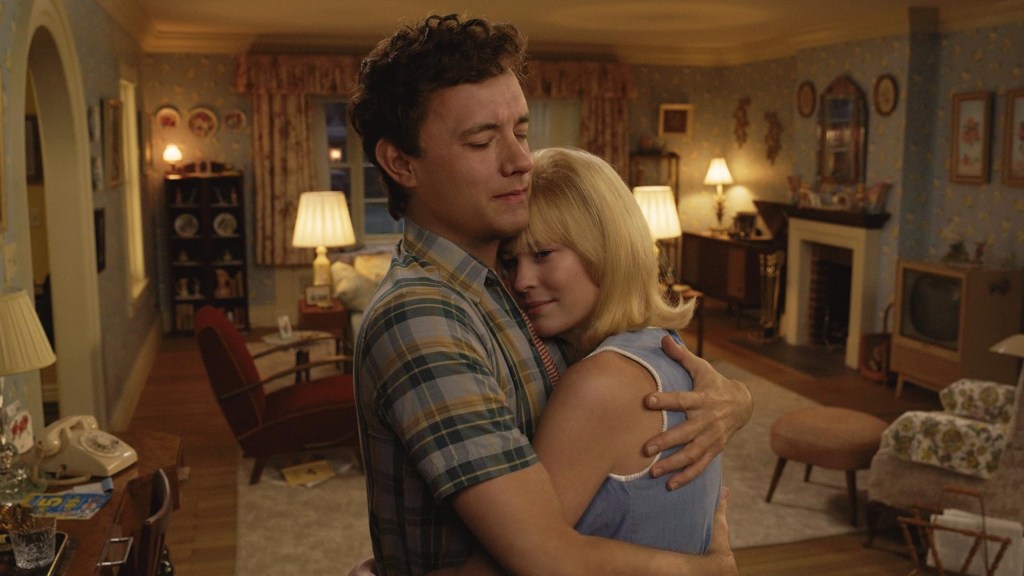
The best thing about Zemeckis’ latest, Here, is that it might be more rewatchable than anything he’s done over his last four films. But does that make this adaptation of Richard McGuire’s graphic novel amazing? Not really, and it’s a shame since the concept can be considered unique. Set in one singular location, we embark on an odyssey in time, chronicling the Young family’s lives in their home. Particularly touching is the love story between Richard (Tom Hanks) and Margaret (Robin Wright), with its highs and lows that resonate with us all.
Told through generations of those who come and go from this specific spot, from the past to the present, it gives us a glimpse of how time can pass us by in the blink of an eye. Zemeckis and writer Eric Roth’s narrative, while rich in themes of joy, loss, and hope, falls short of character depth. The use of the camera gimmick, while intriguing, doesn’t always foster emotional attachment to the characters. With that flow of the narrative, sometimes, there can be a lot going on, and you only get a little development from less interesting people from another point in time. It can be charming, yet often be corny, even from Hanks’ performance. With Here, you’re better off reading the excellent graphic novel in your spare time or waiting till it hits streaming.
Full Review—> RIGHT HERE
16) Beowulf
Release Date: November 16, 2007
Budget: $150 million
Domestic Box Office: $82.3 million/ Worldwide: $196.4 million
RT Score: 71%
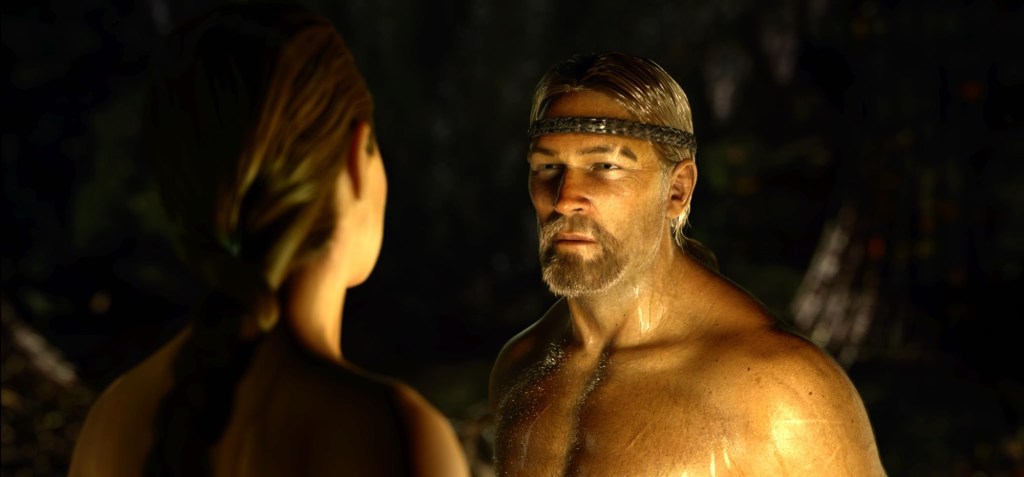
How much material is there to work with when your film is based on an epic poem? That’s what Zemeckis did with Beowulf since he found the original story boring when he had to read it in school, bringing it to life in a potentially captivating fantasy. The first time I saw this was in English class during senior year, and I barely remembered from that and reading the poem, too. The making of an epic tale is there, but it’s not as impressive as it aimed to accomplish. The warrior Beowulf (Ray Winstone) arrives in the Denmark kingdom ruled by Hrothgar (Anthony Hopkins) to defeat and kill the giant troll Grendel, only to deal with the consequences of his mother’s revenge.
Beowulf is Zemeckis’ second film working with motion capture and volume, and while it’s a mild upgrade from The Polar Express, you can’t help but think everything looks like an expensive video game. It’s the story that barely leaves much room for amazement, which is shocking considering Neil Gaiman and Pulp Fiction’s Roger Avary wrote it. They add to the mythology that can elevate certain elements that some overlook. Yet, it lacks captivation when the action unfolds and expects more from a character’s risk of taking on power. Ray Winstone wasn’t too bad in the titular role, although I could only imagine Brad Pitt based on his appearance. It’s also surprisingly horny, which could just be from the director’s cut. Would I have liked it when I was 11? Hard to say, but Beowulf‘s slightly impressive animation and voice work aren’t enough to capture an average fantasy.
15) The Polar Express
Release Date: November 10, 2004
Budget: $165 million
Domestic Box Office: $162.8 million/ Worldwide: $286 million
RT Score: 56%
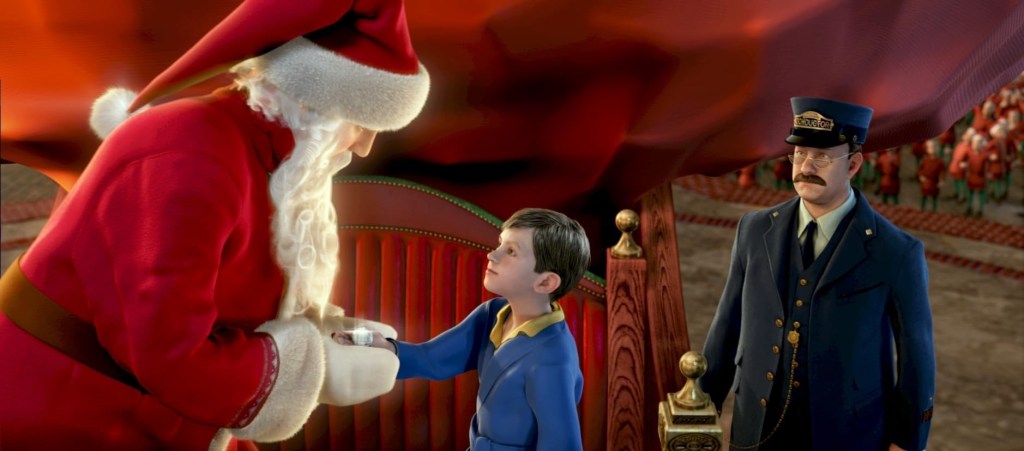
Zemeckis’s period of delving into motion-capture technology started here with his adaptation of Chris Van Allsburg’s popular children’s book, The Polar Express, which took me 20 years to watch, not in bits and pieces, finally. On Christmas Eve night, a doubtful young boy who doesn’t believe in the existence of Santa Claus anymore climbs aboard the titular train, where he and other kids around his age travel to the North Pole.
Do I believe The Polar Express is an all-time Christmas classic? Not really. Zemeckis’s creativity can be impressive, especially in an immersive sequence of the train going fast as if you’re on a rollercoaster ride and appreciating the winter environment. But it doesn’t help that it can be labeled as creepy. This is not just because it’s strange for children to hop on a train in the middle of the night by Tom Hanks’ Conductor, but also because some of the animation looks dated even back then when it comes to the characters’ expressions and dead eyes. By that, the lack of interest in the kids’ adventure could have been a lot better. Once they arrive at the North Pole, it takes a while to get back going, which explains why it’s difficult to do much to a picture book. But near the end, it wears its heart on its sleeve and tells its young audience that believing in the smallest things is okay. The Polar Express might not have all the ingredients to become memorable, but there’s enough spirit to consider it okay. Despite mixed reviews, it was the tenth highest-grossing film of 2004, and it still has that rewatchability factor every year around the holidays.
14) What Lies Beneath
Release Date: July 21, 2000
Budget: $100 million
Domestic Box Office: $155.5 million/ Worldwide: $291.4 million
RT Score: 47%
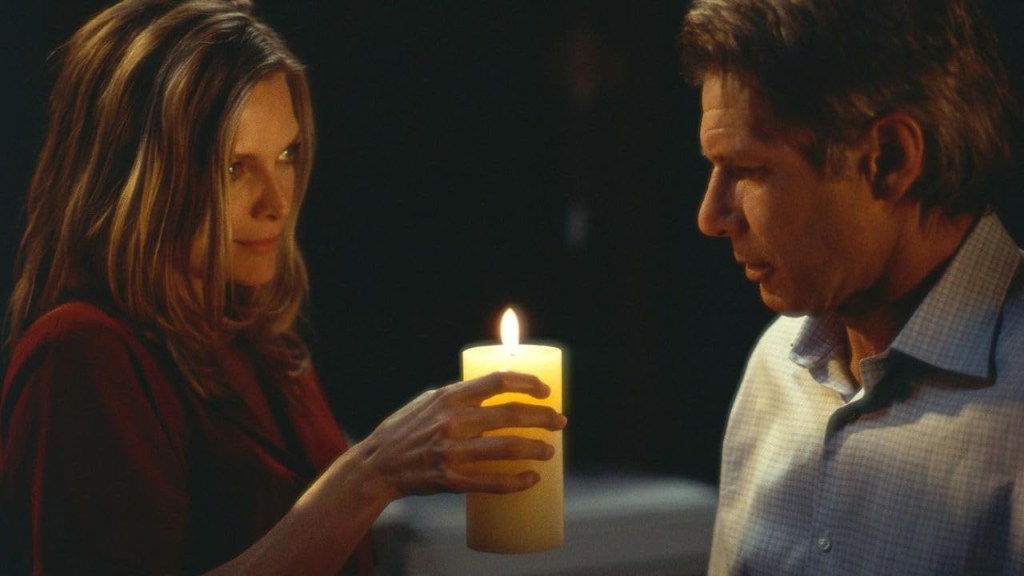
2000 was not only the year Zemeckis brought us Cast Away, but he and his crew decided to do another movie while that paused filming with the suspense thriller What Lies Beneath, which was surprisingly one of the highest-grossing films that year. Claire (Michelle Pfeiffer) and her husband Norman (Harrison Ford), a research scientist at a university, seem perfectly happy with their marriage. With her daughter off at college and them having their beautiful lakeside Vermont home, Claire believes something’s up with their new neighbors while thinking she’s hearing mysterious voices inside the house, causing her to wonder if she’s gone delusional.
There’s some outstanding camera work from Zemeckis, with the bathtub setting near the end standing out as the best scene that probably caused people to shower instead. It’s also carried out by Harrison Ford, playing against type and one of Pfeiffer’s best roles. The first hour is genuinely great at reeling you in with the slow-burning tension of questioning if Clarie’s paranoia is getting the best of her surrounding this mystery. But when thinking back to Clark Gregg’s screenplay, it hints at what’s coming effectively enough. But it isn’t hard to notice the story goes into an Alfred Hitchcock homage after the initial red hearing, which had to be the intent. Still, it comes off as somewhat cliche, meaning it meanders quite a bit, even with that intriguing supernatural element. What Lies Beneath has become more favorable, with some calling it underrated. I don’t love it, but I still admire those hints of greatness thrown in here.
13) Death Becomes Her
Release Date: July 31, 1992
Budget: $55 million
Domestic Box Office: $58.4 million/ Worldwide: $149 million
RT Score: 55%
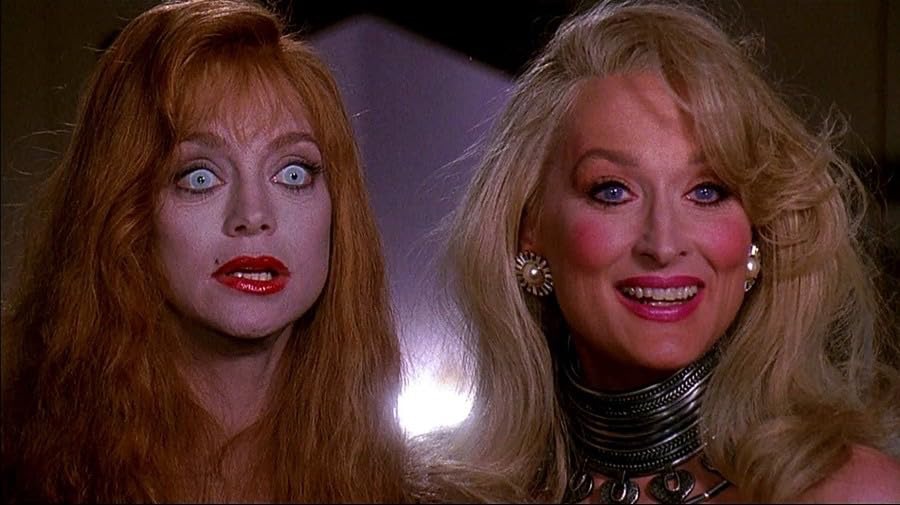
Death Becomes Her is what you get when it involves a twisted love triangle of immortality, vanity, and revenge all rolled into one. But does it all come together perfectly? Sometimes, since this Zemeckis dark comedy isn’t for everybody. But, it might fall in line as a possible guilty pleasure. When Helen’s (Goldie Hawn) longtime frenemy, self-obsessed actress Madeline Ashton (Meryl Streep) steals her fiancee, Dr. Ernest (Bruce Willis), Helen goes into a deep depression. Years later, Helen is now a beauty, and Madeline is desperate to find her secret. She drank a potion that promised eternal life and youth, which caused her to do the same.
You’ll see this as a satire of what women will do to look youthful forever. Not everybody will relate to it, but aside from a few laughs, the story seems at odds with staying fun and painting the characters too unlikable for their good. What keeps the interest alive is the great pairing of Meryl Streep and Goldie Hawn, who bring their comedic chops to the table. I’m surprised they haven’t worked again. Willis’s performance felt miscast here despite playing against type. Since its release, the one noticeable quality the film carries decades later is the impressive visual effects, which elevate the slapstick seeing Streep’s head backward after falling down the stairs and how Hawn has a hole in her stomach. That alone was enough to earn the film an Academy Award. It would’ve been better in the hands of a different director. Since then, Death Becomes Her has become more respected and gained a cult following, especially in the LGBTQA+ community.
12) Contact

Release Date: July 11, 1997
Budget: $90 million
Domestic Box Office: $100.9 million/ Worldwide: $171.1 million
RT Score: 68%
Who would have predicted that Zemeckis’ follow-up to Forrest Gump would be another adaptation of a best-selling novel, this time one of the most popular novels from the late astronomer Carl Sagan, who died before the film’s release? Contact came out when films about aliens were all the rage in entertainment, yet it took a more scientific approach to determine whether there was anything else in the universe. SETI scientist Ellie Arroway (Jodie Foster) has always been fascinated by discovering intelligent extraterrestrial life. It wasn’t until she heard a signal consisting of a series of prime numbers coming from the Vega system, leading to the possibility of intelligent life and making an attempt for first contact.
Contact is one of the more brainy science fiction films out there, and anyone who isn’t particularly interested in science may need to pay close attention to the dialogue. That said, Zemeckis and his team wanted to make this event believable, as I believe we are approaching first contact. What could’ve been just another typical alien movie happens to explore life beyond Earth, death, and religion to what we believe in between the laws of science, which almost makes it a precursor to another Matthew McConaughey film, Interstellar. You get an excellent performance from Foster and some pretty cool transition shots, including a memorable take of a young Jena Malone running to the bathroom cabinet. Compared to what he’s done then, it’s a tad too long to set up everything in the first half, and the visual effects don’t hold up. While Contact isn’t perfect, Zemeckis showed ambition that works on a suspenseful level and a pretty riveting third act that’ll have anyone question our existence.
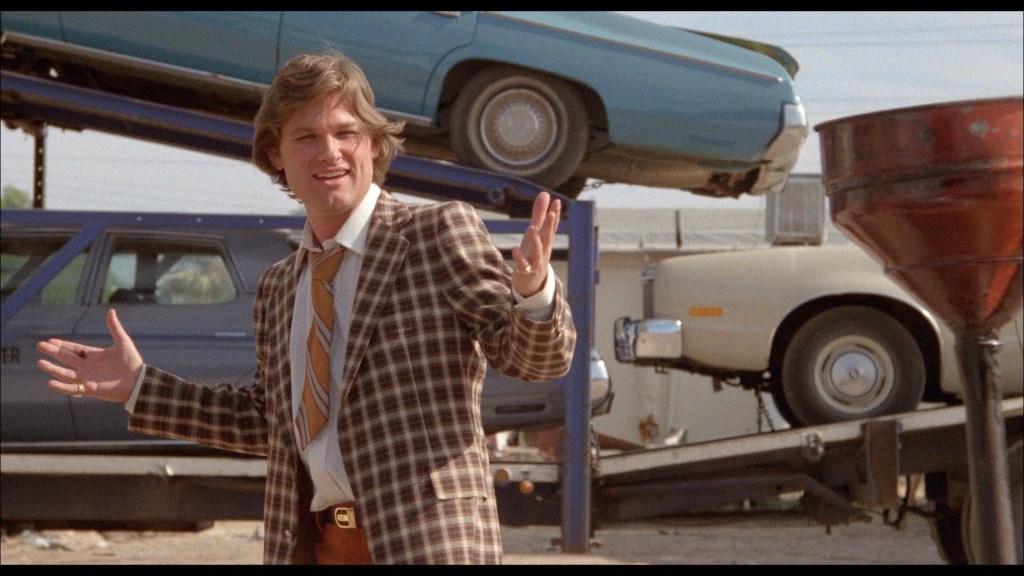
11) Used Cars
Release Date: July 18, 1980
Budget: $8 million
Domestic Box Office: $11.7 million/ Worldwide: $12.7 million
RT Score: 77%
Used Cars was just Zemeckis’ second picture, and I hadn’t seen it before this year. I’ve never wanted to work in auto sales, but I enjoy seeing people do it in the director’s dark humor way. Kurt Russell’s Rudy Russo is a fast-talking salesman at New Deal Used Cars, hoping to raise enough to run for state senator. With the lot in jeopardy of being replaced by a freeway by the owner’s greedy twin brother, who has a dealership across the street, Rudy and his team find the craziest ideas to get customers into driving a “new” vehicle off the lot.
In one of the few R-rated films in his filmography, Used Cars is perfectly simple and what one would expect for a raunchy comedy of its time. The lengths these characters will go to sell cars are undoubtedly unethical, from jamming football game broadcasts and President Carter’s speech to shooting their commercials. Nobody needs to take lessons from here, but it differs gracefully from anything Zemeckis has done since. Any movie with Russell and two Jack Warden performances as twins makes for a fun time, culminating in an entertaining climax with dozens of cars to beat the clock. Like I Wanna Hold Your Hand, Used Cars was the second movie in a row that didn’t make any money at the box office but has since grown into a cult following. Would I put this up there with other 1980s classics? Maybe not. But those who haven’t checked this out may be pleased with this mean-spirited screwball flick.
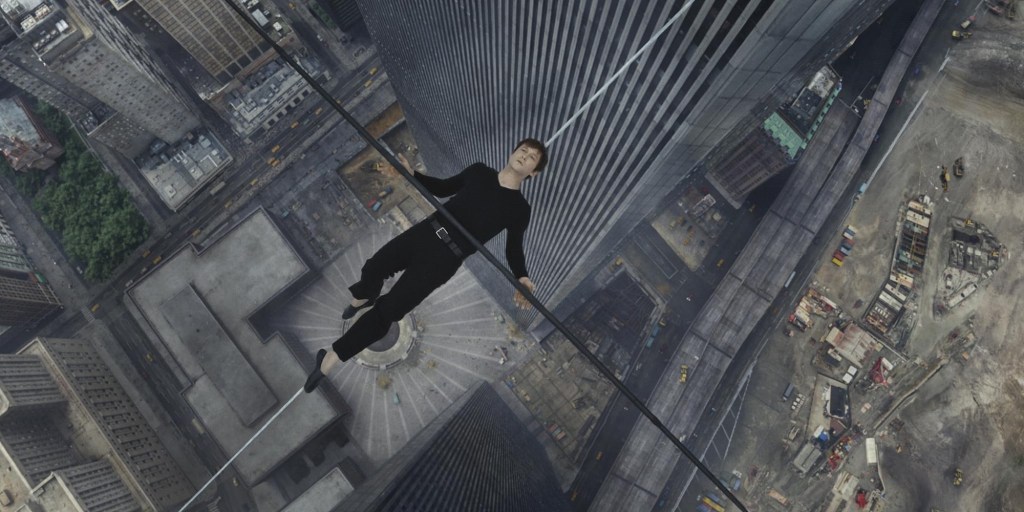
10) The Walk
Release Date: September 30, 2015
Budget: $35 million
Domestic Box Office: $10.1 million/ Worldwide: $61.2 million
RT Score: 83%
Unbelievable stories like this deserve to be seen on screen, and Zemeckis made The Walk by using a real-life event that not many people probably knew about. Based on true events about Philippe Petit (Joseph Gordon-Levitt), a French high-wire artist who doesn’t do it for the money but to experience life. His latest goal was to hang a tightrope across the World Trade Center Twin Towers (still under construction) in 1974, which would be accomplished by skillful planning and his band of accomplices to make this happen.
If you’re already familiar with Petit’s story from watching the 2008 Oscar-winning documentary Man on Wire, what Zemeckis shows here probably won’t be anything new on a cinematic scale. But those who thought this sounded unrealistic were treated to a fast-paced biopic that had us believe our main character can achieve the impossible. Taking time to get used to the accent, Levitt, as Petit, did a capable job as this man who can be arrogant but proves he’s a risk taker to make this coup work. The film definitely picked up around the second act when it got entertaining, especially when it felt like a heist movie, except they aren’t stealing anything. But it gets great once Philippe takes that first step on the wire, and it was one of the last IMAX 3D movies I’ve seen that was effective with his visuals. Zemeckis and his team allowed the last half to symbolize hope and serve as a dedication to the victims of 9/11. It takes dreams to overcome certain passions for people who have incredible dreams. And that’s what Petit wanted to accomplish. The Walk really feels like a Zemeckis movie. Not everything came together to make this spectacular, but this was an event for the fall with great visuals, a good performance from Gordon-Levitt and a third act that was perfect in the end. Despite not receiving awards love and performing poorly at the box office, it shouldn’t be forgotten nearly a decade later as his last solid effort.
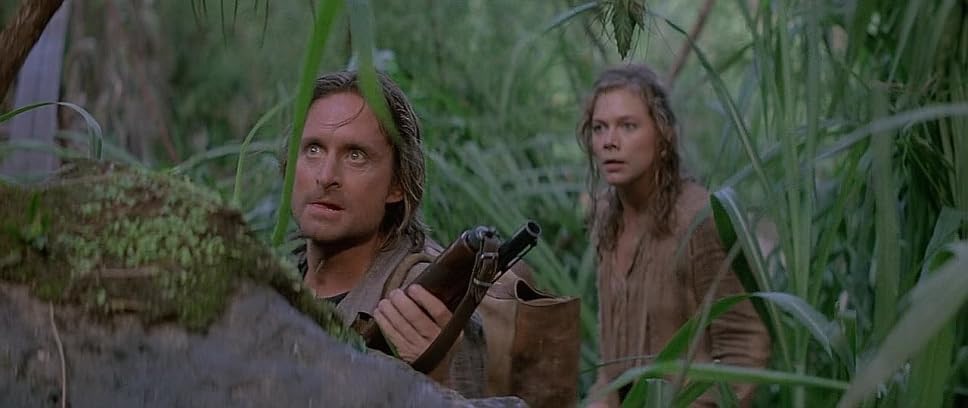
9) Romancing the Stone
Release Date: March 30, 1984
Budget: $10 million
Domestic Box Office: $76.6 million/ Worldwide: $115 million
RT Score: 86%
Following two back-to-back box office disappointments and being removed as director of Cocoon from early test screenings, Zemeckis made a breakthrough and took off with the commercial success of 1984’s Romancing the Stone, which has a charming balance of romance and adventure throughout. Joan Wilder (Kathleen Turner) is a lonely romance novelist who gets thrust into danger when smugglers kidnap her sister. What they want is a map her sister’s recently murdered husband sent to her and must travel to Colombia to save her, where she’ll eventually have to put her trust in wild bird smuggler Jack Colton (Michael Douglas) to search for El Corazón through the jungle.
Something about old-fashioned adventures with treasure hunts is always fun to watch, and you see writer Diane Thomas, who sadly passed away a year after the release, wanted to take the premise of someone out of their comfort zone and must tag along with an Indiana Jones-type hero. However, the crucial element that makes Romancing the Stone memorable 40 years later is buying the odd-couple relationship between Douglas and Turner, whose chemistry is predictable, and where it’s heading when Joan sees the exact opposite of a dashing hero from her books. Everyone saw this and called it the director’s first taste of success, and it helped shape what was to come later. A year later, a rushed sequel, The Jewel of the Nile, with Douglas, Turner, and Danny DeVito returning, was released, but it would’ve been as good if Zemeckis had helmed it.
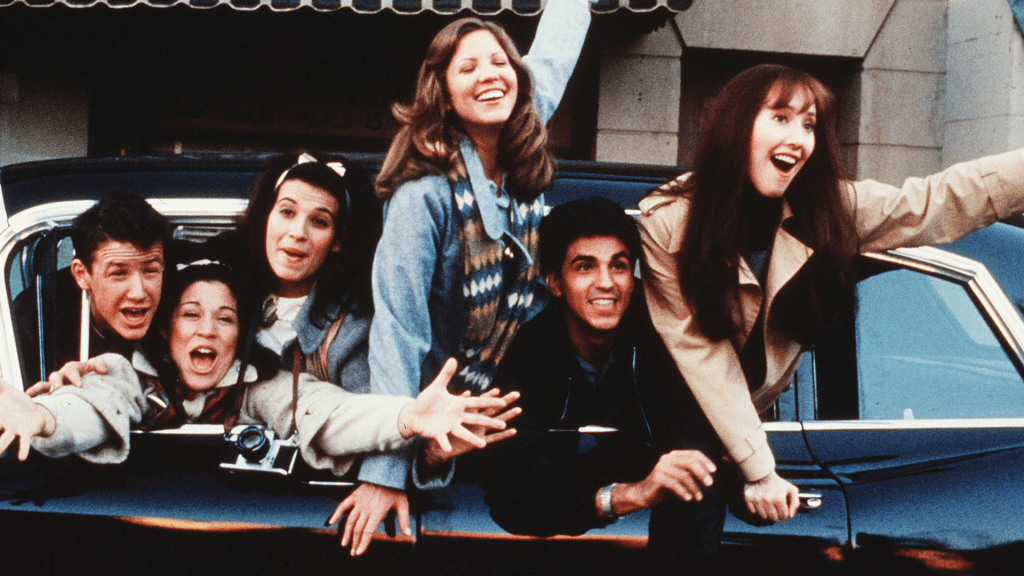
8) I Wanna Hold Your Hand
Release Date: April 21, 1978
Budget: $2.8 million
Domestic Box Office: $1.9 million
RT Score: 90%
Everybody has to start somewhere, and it’s wild to believe Zemeckis’ directorial debut, with the help of Steven Spielberg as executive producer, would be about a time when getting crazy about boy bands was all the rage with I Wanna Hold Your Hand. This takes us back to February 1964, when The Beatles first came to the United States and were about to make their first live appearance on The Ed Sullivan Show amidst Beatlemania. A group of teenagers- Rosie (Wendie Jo Sperber), Pam (Nancy Allen), Grace (Theresa Saldana), and Janis (Susan Kendall Newman)- from New Jersey set out to travel to New York City in hopes of seeing the band.
Despite the Beatles not starring in this, I Wanna Hold Your Hand gives us an idea of how wild it was to be totally obsessed with them. Zemeckis and co-writer Bob Gale deliver on a delightful and hilarious comedy occurring in one day. These friends do whatever it takes to get near them, leaving them on a night they’ll never forget. You got Pam finding her way into their hotel room in total bliss, to Grace desperate to get an exclusive photo. By that, you come to like the characters and the lengths they’ll go to and not go home depressed. It’s pretty surprising this got actual music from the band, and it was an early sign of how Zemeckis blends history with fiction. Much like American Graffiti and what we’ll see with Detriot Rock City over 20 years later, it captured the nostalgia of adolescent excitement that’s while predictable. I Wanna Hold Your Hand didn’t pull in strong box office numbers and was considered a commercial flop, but it had the makings of a bright future for the director.
7) Back to the Future Part II
Release Date: November 22, 1989
Budget: $40 million
Domestic Box Office: $119 million/ Worldwide: $332.5 million
RT Score: 63%
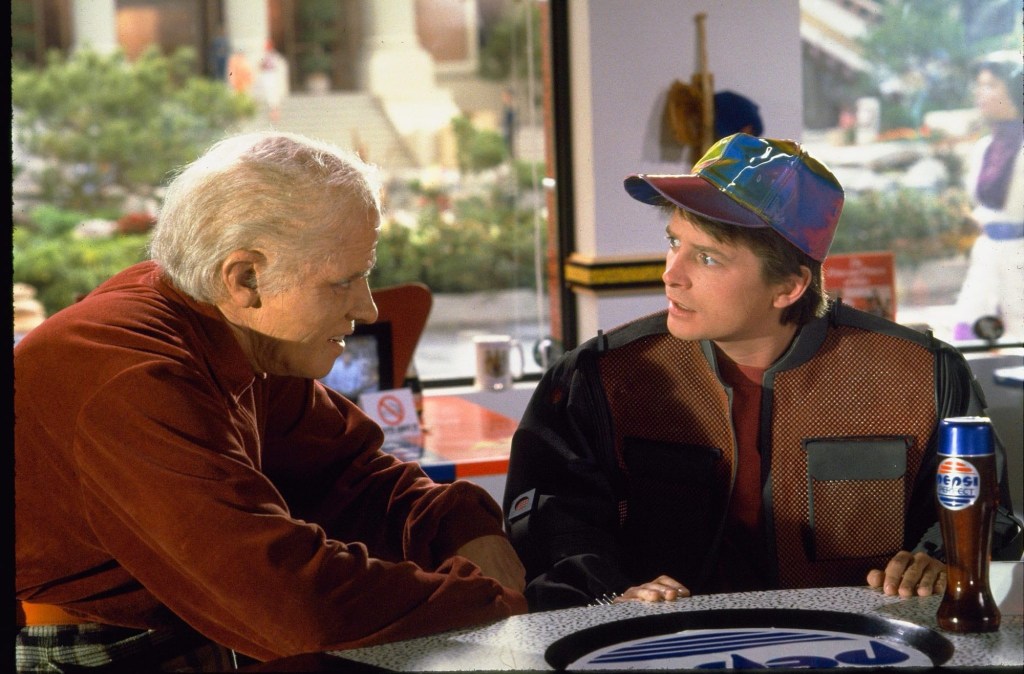
When a film like Back to the Future captivates audiences with its success, the natural anticipation for a sequel is palpable. Four years later, Back to the Future Part II was a highly anticipated follow-up that delivered the necessary elements for an entertaining, if slightly inferior, continuation. Picking up where the first film left off, Doc (Christopher Lloyd) takes Marty (Michael J. Fox) and his girlfriend Jennifer (Elisabeth Shue) to 2015 to save one of their kids from trouble. However, their mission becomes more complex when an older Biff (Thomas F. Wilson) gets his hands on the Sports Almanac and uses it to alter the past, prompting Marty and Doc to embark on a new adventure to restore the present and the space-time continuum.
Right off the bat, do I believe Part II is better than the original? No, and I can’t entirely trust a soul who does. Still, you’ve got yourselves another fun time-traveling adventure. Its depiction of 2015 is almost close, except we still don’t have flying cars, and the hoverboards we eventually got are stupid. The interesting aspect of the plot is dealing with the consequences of an alternate reality once Marty and Doc return to a different 1985. But like the characters experiencing déjà vu, you want them to explore the future rather than go back, although it was a great way to use visual effects for digital composition. Back to the Future Part II may not be perfect in certain areas, but Zemeckis and Bob Gale still made a worthy successor that’s forgiven for its flaws. Also, I love Thomas F. Wilson as Biff or anyone in the Tannen family.
6) Flight
Release Date: November 2, 2012
Budget: $31 million
Domestic Box Office: $93.8 million/ Worldwide: 161.8 million
RT Score: 77%
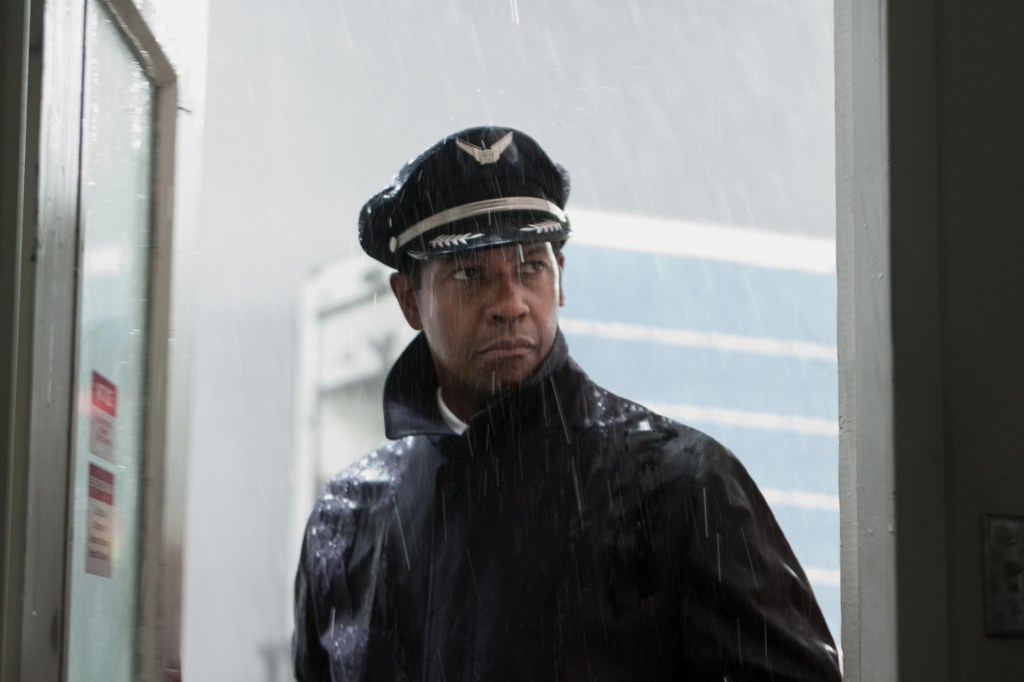
Flight marked Zemeckis’ long-awaited return to making live-action films after 12 years, and that alone is worth considering this drama one of his best and most underrated projects. Captain “Whip” Whitaker (Denzel Washington) miraculously crash-lands a plane in an open field, saving 102 passengers, but six died. His actions made him a hero, but the investigation of whether Flight 227 was caused by a mechanical malfunction or how his drinking the night before is a severe factor.
Keeping the story more grounded to focus on those struggling with drug and alcohol addiction, it’s a compelling character study that puts the main character to the test to keep this cover-up in place and how it could affect his personal life and others. Denzel Washington gives an astonishing performance as Whip, giving us a character who keeps drinking and doesn’t want to admit his substance abuse, dealing with reality before something terrible happens, earning him his sixth Oscar nomination. His character is reminiscent of Nicolas Cage in Leaving Las Vegas, where he wants to help him overcome his problems. One of the best scenes from any Zemeckis film was the shot of the tiny bottle from Whip’s hotel room next door before he swipes it away. Also, he has a knack for directing terrifying plane crash sequences, like in Cast Away. With an airtight script from John Gatins and one of Washington’s most complex roles, Flight made for an early return to form for the filmmaker, with a personal journey one can identify with.
5) Back to the Future Part III

Release Date: May 25, 1990
Budget: $40 million
Domestic Box Office: $88.8 million/ Worldwide: $245.1 million
RT Score: 81%
It’s always a toss-up of which Back to the Future sequel I enjoy the most. And I might be one of the few saying Back to the Future Part III is better with the back-to-back continuation of where we left off. After Marty discovers Doc is alive and zapped back to 1885, taking the DeLorean to the present would make sense. That is, until they learn Doc gets killed by Biff’s great-grandfather, Bufford “Mad Dog” Tannen. Marty travels 70 years into the past, under the name “Clint Eastwood,” to save Doc despite his warnings and finally returns home.
The third and final installment in the franchise takes our heroes to the Old West, which is a surprisingly refreshing take on the genre. As someone who’s sometimes never into Westerns, it’s never boring when it’s the race against the clock angle again that doesn’t wear itself out. Some callbacks are repeated for sure, i.e., Marty getting knocked out and believing it to be all a dream. But the fun of the western setting is different and new, even when it doesn’t have tons of time jumping. What I think is Part III’s strongest aspect is Doc’s arc, where he falls in love with Mary Steenbergen’s Clara Clayton, who shares a beautiful chemistry with their common interests in science and Jules Verne. Honestly, it’s cute. And with the climax of the train, it’s right up there, with the first ending building on the tension to make the plan work. Back to the Future Part III used to be the weakest in the trilogy, but as I got older, I appreciated it more with its entertaining spin on the Western genre and shows three movies are enough to complete a near-perfect story.
4) Cast Away
Release Date: December 22, 2000
Budget: $90 million
Domestic Box Office: $233.6 million/ Worldwide: $429.6 million
RT Score: 89%
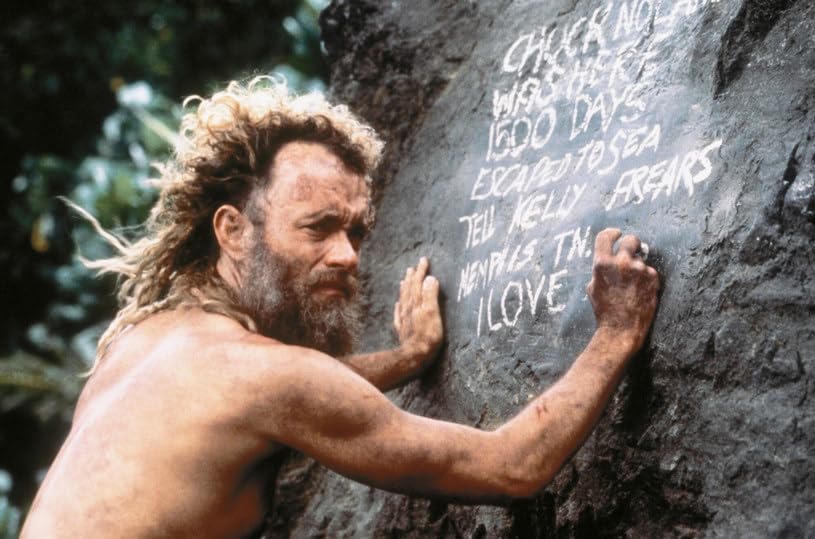
Survival dramas are a dime a dozen. However, none of them even compare to the brilliance of Cast Away, another winning collaboration between Hanks and Zemeckis that still holds up over 20 years later. Fun fact: One of my first memories of being in a theater was seeing the poster for the first time and thinking, “Interesting.” Hanks plays Chuck Noland, a FedEx systems analyst who constantly uses this “live or die by the clock” work method. On a trip from Memphis to Malaysia to fix a problem, his cargo plane crashes over the Pacific Ocean, leaving him as the only survivor. He finds an isolated island and must find a way to stay alive for the next four years.
Zemeckis had to work hard to shoot a film like Cast Away because most of the cast consisted of Hanks and no other actor. Even though the trailer spoiled the entire movie, its impact remains timeless. Thanks to his direction, Don Burgess’ cinematography, and William Broyles Jr.’s screenplay, we, too, feel as though we’re stranded on the island with Chuck and do not find it boring to sit through. We are hopeful that rescue is coming but feel disconnected from human life. Adding to the absence of a score once he’s there, that growing fear of never getting rescued is hunting. Gaining about 50 pounds prior and managing to lose it during the break in between filming, Hanks, who earned a well-deserved Oscar nomination (and his last up until 2020), gives one of his most human performances as Chuck uses what he can and comes out of his alive and the hopefulness to live another day. And this has one of the best product placements ever in Wilson Volleyballs—only a film this great can make me tear up over an inanimate object. Cast Away is a fascinating tale about the human spirit that’ll never get old. I’m shocked this didn’t get a Best Picture nomination.
3) Who Framed Roger Rabbit
Release Date: June 24, 1988
Budget: $70 million
Domestic Box Office: $156 million/ Worldwide: $329.8 million
RT Score: 96%
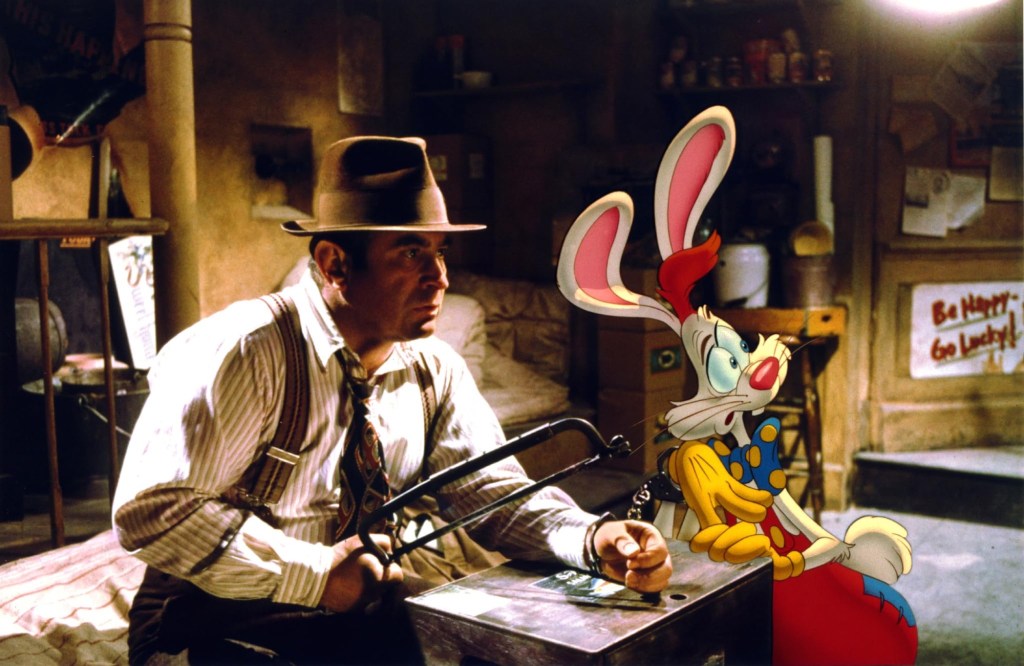
Any film attempting to replicate the entertainment value of 1988’s Who Framed Roger Rabbit sets a high bar. Just look at Ralph Bakshi’s Cool World and see how that ultimately failed when it came out. When you have a story that effortlessly pleases those who love animation and classic noir, you’re in for a highly entertaining experience with this Zemeckis masterpiece. In 1947, when humans and toons co-exist, private detective Eddie Valiant (Bob Hoskins) must keep Roger Rabbit (voiced by Charles Fleischer) alive and clear his name after someone framed him for the murder of Marvin Acme.
Loosely based on Gary K. Wolf’s novel, everybody thought it would be impossible to convince the audiences that cartoons could appear on screen with real actors interacting with them in this created universe. That alone shouldn’t have worked. But they pulled it off big time, even after over 30 years. Who Framed Roger Rabbit is a ton of fun, from clever writing to finding the plot utterly creative at every turn. You believe the late Hoskins’ performance as Eddie, setting aside and helping Roger in whatever way he can. But the groundbreaking effects of seamlessly integrating Richard Williams’ animation with other styles are why it’s incredible, and it’s unbelievable seeing original characters, Disney, and Looney Tunes all together. Even though this wasn’t the first to combine both elements, the hard work on display made the experience that much special. Ambitious to have this technical marvel become a beloved classic, going on to win three Academy Awards (Film Editing, Sound Effects Editing, and Visual Effects), Who Framed Roger Rabbit never loses its sense of wonder.
2) Forrest Gump
Release Date: July 6, 1994
Budget: $55 million
Domestic Box Office: $329.7 million/ Worldwide: $678.2 million
RT Score: 76%
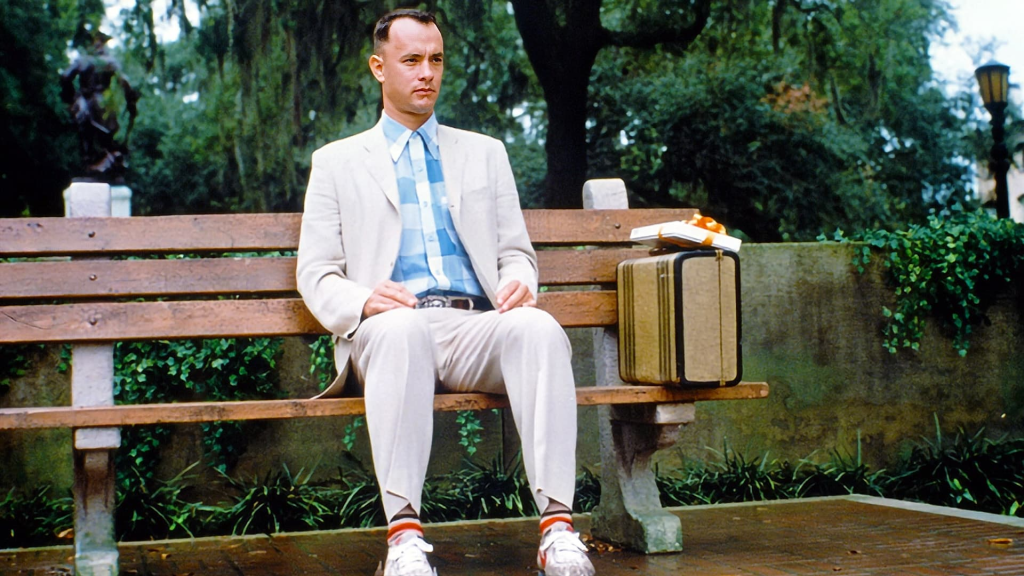
Forrest Gump would’ve failed to capture audiences’ hearts in the wrong hands. And yet, Zemeckis’ adaptation of Winston Groom’s novel turns one man’s journey into one of the most uplifting comedy dramas of the ‘90s. As the titular character, Tom Hanks recounts his life story on a park bench. Despite having low intelligence, the course of his life changes when Forrest experiences the highest and lowest points throughout the latter half of the 20th century, from enlisting in the Army to fight in the Vietnam War to becoming a Ping-Pong champion, all while thinking about his one true love, Jenny Curran (Robin Wright).
Everyone knows how popular this has become thanks to quotable lines like “Run, Forrest. Run” or “Life was like a box of chocolates. You never know what you’re gonna get.” Hanks. But Forrest Gump gives us a glimpse of a simple-minded man going through some of the most important historical events, all through the eyes of a character impossible to hate. Was it always part of his destiny? Who knows when life takes unexpected turns to do great things? Hanks’ performance never came across as making fun of the mentally disabled when he’s more of an inspiring person, taking any optimistic chance on anything. Every time I watch it, I never see him and believe Gump is a natural person, proving why he’s the very best. More importantly, using visual effects to have him meet influential figures of the past (JFK, John Lennon, etc.) still looks convincing. Forrest Gump has also become a film everyone loves to hate because they find it too cheesy, and it’s those kinds of people who don’t have hearts. Do I love other 1994 movies more, like Pulp Fiction and The Shawshank Redemption? Absolutely. But that doesn’t detract from calling this a touching and feel-good classic. On top of being one of the year’s highest-grossing films, it won six Academy Awards, including Best Director for Zemeckis, Best Actor for Hanks (his second consecutive win), and Best Picture.
Full Review—> RIGHT HERE
1) Back to the Future
Release Date: July 3, 1985
Budget: $19 million
Domestic Box Office: $214.1 million/ Worldwide: $384.6 million
RT Score: 93%
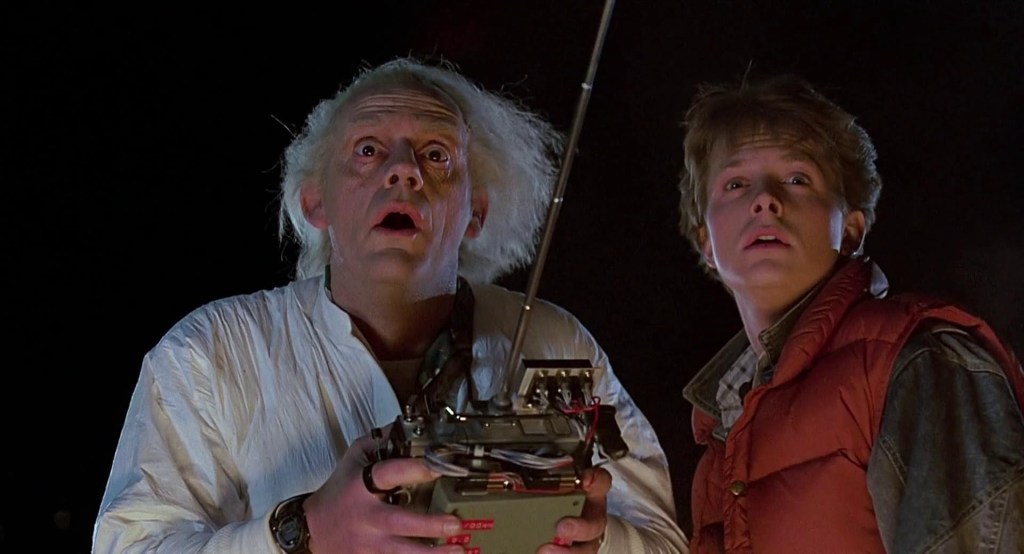
Was there any surprise to take the number one spot? Time travel movies have been a staple in the science fiction genre that continues today. Yet everything that has come out then and now can’t come close to the most quintessential of them all: Back to the Future. Anytime Zemeckis’ name is brought up and you have to choose one movie that represents him the most, it will undoubtedly be this 1985 classic that never fails to envelop me in a warm blanket of comfort and nostalgia. Marty McFly accidentally travels back in time 30 years in the past in Hill Valley through Dr. Brown’s DeLorean time machine. There, he meets his parents as teenagers and sees himself in a race against time to get them together before he’s erased from existence.
Imagine a reality where this failed. Would Zemeckis’ career bounce back? Would we think of time traveling differently? Would Rick & Morty ever exist? Thankfully, Back to the Future proved to have a strong staying power nearly 40 years later. The premise from Zemeckis and Bob Gale, a thought-provoking stroke of genius, has us questioning what would happen if we ran into our parents as teenagers, finding a solution to return to the present and not causing any butterfly effects. And when it’s all that with adventure, comedy, and sci-fi, it’s endlessly rewatchable every time. Michael J. Fox and Christopher Lloyd are perfect as Marty and Doc, and you don’t care to question their relationship after all this time about why a kid hangs out with an eccentric scientist. Once he interferes in changing how his parents met, anything around Lorraine and George makes for hilarious and often off-putting iconic moments. And, of course, it makes the DeLorean more relevant with this franchise than when they were making them. However, it says so much about destiny underneath other winning factors, such as its well-paced, Alan Silvestri’s score, and Thomas F. Wilson, one of the cinema’s best villains, Biff. Because of this, I see time travel with a new perspective and how one change can impact our and others’ lives, for better or worse.
Nothing feels wasted to progress the story forward, and what it delivers is a film perfect for all ages. That one person who doesn’t like it needs to never exist. Back to the Future is what I can describe as an all-time timeless masterpiece, showing Zemeckis’ originality on screen and providing audiences with a memorable time travel adventure with stakes and even heart. It’s the definitive film part of his filmography that will forever be my favorite until the day I die.
Full Review—> RIGHT HERE

 DC's Take