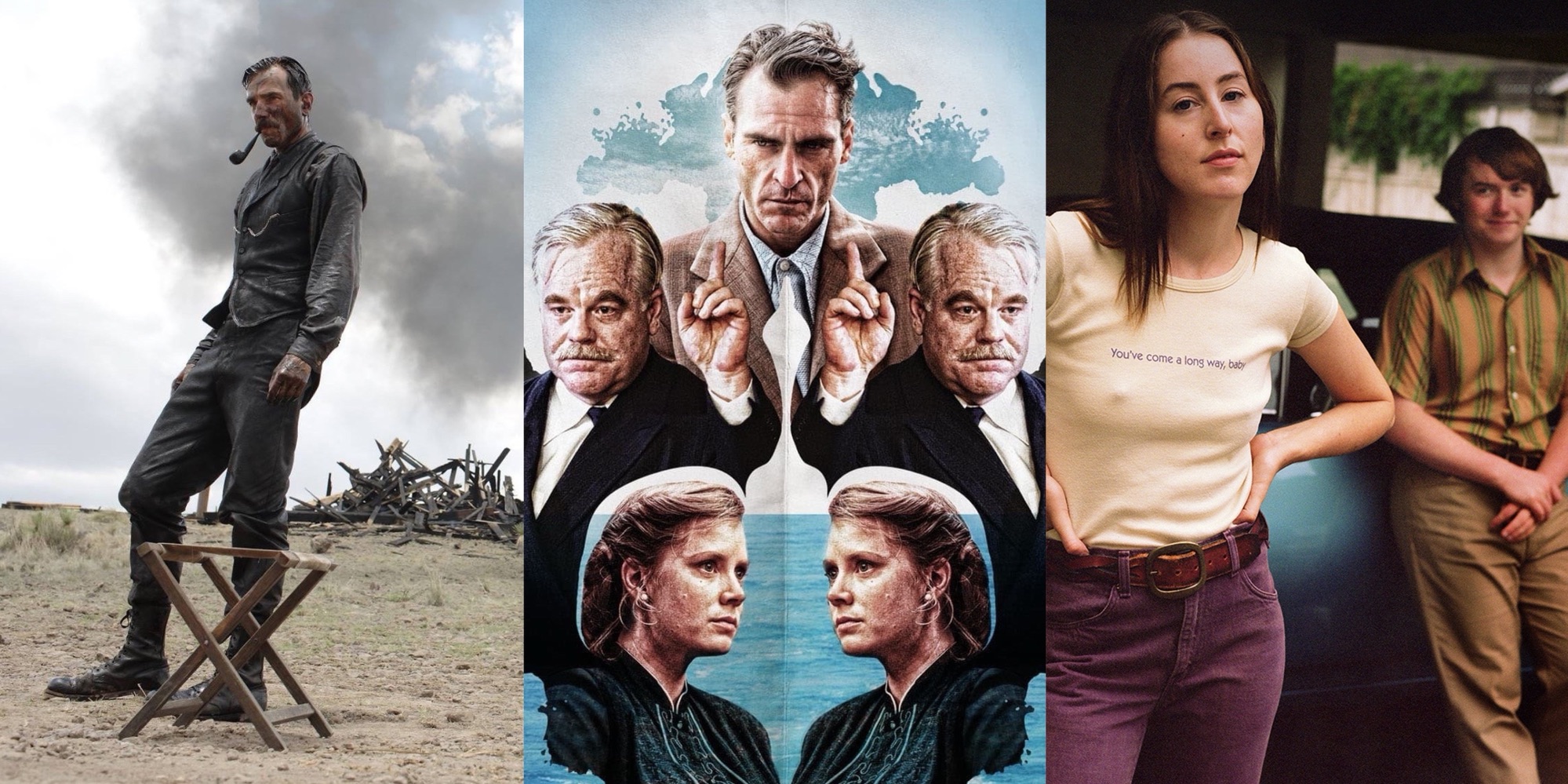
In the discussion of who’s considered one of the best contemporary directors working today, true cinephiles won’t have to argue when naming Paul Thomas Anderson. Ever since he made a name for himself in the mid-’90s, the California native quickly made his style well known and is still beloved nearly three decades later. But what makes his filmmaker stand out from everyone else? He certainly has a way of flawlessly spanning through different genres, especially period pieces, and putting the spotlight on flawed characters you hope will be remembered by the time the film wraps up. What truly sets him apart, however, is his unique approach to storytelling, often using non-linear narratives and complex character arcs, which is why his influences of legendary directors such as Robert Altman and Martin Scorsese are worn proudly on his shoulders.
Whenever he collaborates with certain actors on various projects (such as Daniel Day-Lewis and the late, great Philip Seymour Hoffman), the results are often guaranteed successes. PTA carries a unique sense of energy throughout his career, where none of his films feel the same, allowing you to linger in your subconscious for a day or two. Surprisingly, he’s undoubtedly a filmmaker who is likely to be polarizing towards the mainstream because he dares to challenge his audience. And he only has one movie that I don’t think is good, while the rest range from decent to all-timers for anyone who has been watching him for ages.
With the release of his recent film One Battle After Another, my latest Director’s Canvas has been a year in the making, as I will dive into all 10 movies from Paul Thomas Anderson and rank them from worst to best. Spoiler Alert: There’s one that’s probably way too low that’s for sure a hot take.
10) ‘Inherent Vice’

Release Date: December 12, 2014
Budget: $20 million
Domestic Box Office: $8.1 million/ Worldwide: $14.8 million
RT Score: 73%
Without question, Inherent Vice has to be PTA’s most polarizing film, even a decade later. From what I’ve heard, the neo-noir novel of the same name by Thomas Pynchon was pretty hard to follow. But for a translation to the screen that wants to cross between Chinatown and The Big Lebowski, it’s a film that makes you feel less paranoid and more frustrated. In the 1970s, private investigator Larry “Doc” Sportello (Joaquin Phoenix) takes on a case when his ex-girlfriend, Shasta (Katherine Waterston), tells him about a missing real estate developer, which leads to finding her and an informant.
Perhaps the experience would have been more helpful if I were high, because this is the rare time an Anderson script isn’t coherent enough. A lot is going on, and it never has a focus on the central story, which is a major drawback that left me frustrated. The film’s two-and-a-half-hour runtime works against it making sense. But he knows how to capture the period well, and it delivers two fantastic performances from Phoenix and Josh Brolin as LT. Bigfoot. But overall, I can’t stand Inherent Vice, as it’s a letdown coming from a well-respected writer/ director. Fondly challenging to get through and a waste of a solid ensemble, I’ll never get the love for this, nor will I understand the cult status it tried to gain for over a decade now. And it’s probably the only time one of his films didn’t deserve an Oscar nomination for its screenplay (over Gone Girl, really?).
9) ‘Phantom Thread’

Release Date: December 25, 2017
Budget: $35 million
Domestic Box Office: $21.2 million/ Worldwide: $47.5 million
RT Score: 91%
The first time I saw Phantom Thread, there was something about Anderson’s elegant period drama that made it difficult for me to connect on an emotional level. An unconditional love story set in the fashion industry makes it more appealing, but it seems like one of those films that isn’t suited to my taste. Reynolds Woodcock (Daniel Day-Lewis, in his final film before an eight-year retirement) is a renowned fashion designer who runs a fashion house in London with his sister, Cyril (Leslie Manville), in 1954 London. He soon meets waitress Alma (Vicky Krieps), and their relationship blooms into her being Reynolds’s muse for his work. But is there really love involved?
You can look at Phantom Thread and admire its exceptional qualities, from Jonny Greenwood’s captivating score to the cinematography and Mark Bridges’ Oscar-winning costume design; these elements are significant and cannot be ignored. As a whole, you can’t help but feel cold and detached from Day-Lewis’ Reynolds. It’s a character who’s certainly meticulous about his craft, but his romance with Alma makes him more disenchanted, which could be intentional in relation to the theme of love. And because of how they act with each other, it makes the second half too slow to find it all that engaging. Visually stunning as it is, Phantom Thread is one I’ll probably never fully understand the major Oscar hype for, though I know everybody loved it back then and would call it a masterpiece.
8) ‘Hard Eight’
Release Date: February 28, 1997
Budget: $3 million
Domestic Box Office: $222,559
RT Score: 82%
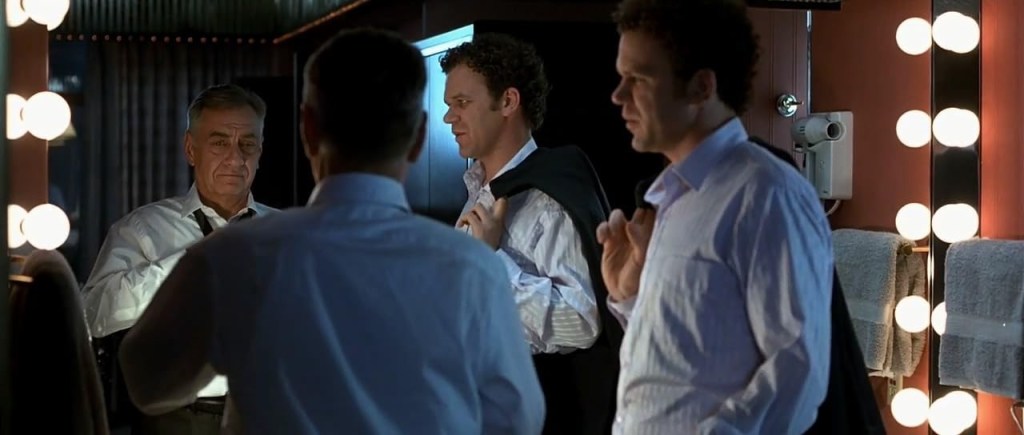
Debuts usually tend to be a blind spot for filmmakers, which is what happened with Anderson for Hard Eight in the mid-’90s. Compared to what he did later in his career, you wouldn’t think he made this neo-noir crime drama. Yet while it’s far from his best, it showed early signs of what to expect when you see his name. In an expansion of his short film Cigarettes & Coffee (1993), Sydney Brown (Phillip Baker Hall) is a professional gambler who takes a man named John (John C. Reilly) under his tutelage to teach him his ways around the casinos. Later, becoming successful and falling for cocktail waitress Clementine (Gwyneth Paltrow), his luck doesn’t last forever.
Hard Eight isn’t the flashiest film PTA has done, and the plot and overall scope tend to wander off, but it has its story motifs focusing on characters that deal with redemption and the consequences of past actions. Hall, Riley, Pathrow, and Samuel L. Jackson, as Jimmy, gave great performances in the smallest round of talents before working with ensembles. There’s an unpredictable reveal near the end that lends to this being called the only PTA flick about above average, but still watchable just to see where he’s starting out as the director we’ve come to know now.
7) ‘The Master’
Release Date: September 14, 2012
Budget: $32 million
Domestic Box Office: $16.8 million/ Worldwide: $28.2 million
RT Score: 85%
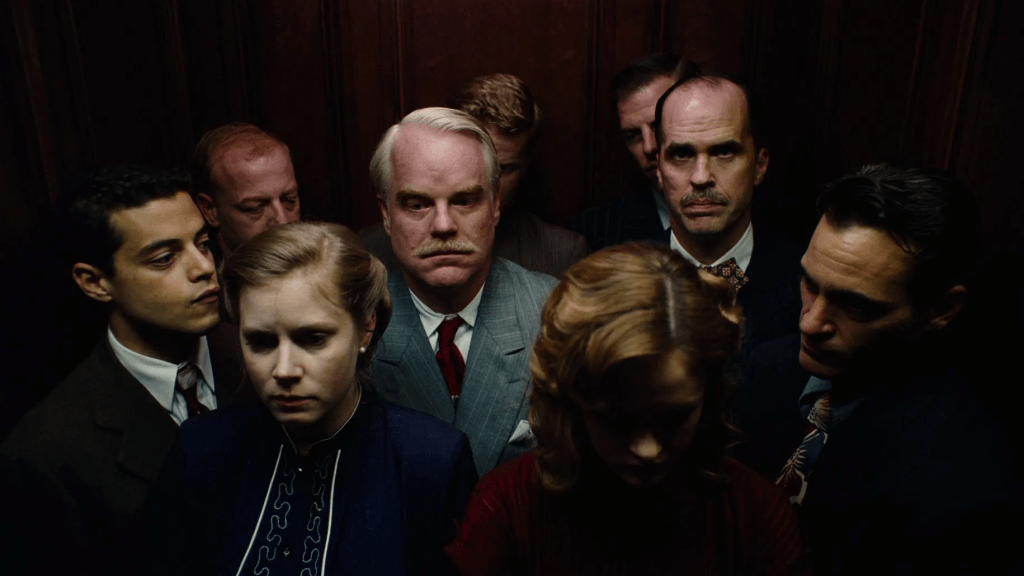
The Master was the one Anderson film that took me over a decade to cave in and see for myself, finally. Why it took so long is unclear, as though it looked as if I wasn’t going to appreciate anything about it outside the acting. But while I wouldn’t call this a masterpiece or one of the very best of the 2010s, Anderson delivered a damn great drama that could be his most philosophical work in his filmography. World War II Navy veteran Freddie Quell (Joaquin Phoenix) has trouble adjusting to life, with booze and an obsession with women to suit. His travels lead him to meeting “master” Lancaster Dodd (Phillip Seymour Hoffman) on a yacht, taking him under his wing to teach him about a movement or cult called “The Cause.”
Another film of his that requires multiple viewings to fully grasp its meaning, it’s an often quiet and meditative story about how we perceive religion and the mental state of those who fought in war. It’s undeniable that Dodd’s teachings and processing exercises are based on the beginnings of Scientology, but you let it go when it’s hard not to believe it. Both Phoenix and Hoffman deliver their top 3 best performances of their respective careers, as their scenes present the most challenging relationship, which is almost too good to believe, and remains unknown to us that they have more in common than we think. Their performances, along with Amy Adams as Hoffman’s wife, were well-deserved of their Oscar nominations. The third act struggled to provide a clear resolution, coming across as somewhat cold. However, given its smart writing and the ability to stick with you once it’s over, The Master is still superb for what’s expected of us in society.
6) ‘Magnolia’
Release Date: December 17, 1999
Budget: $37 million
Domestic Box Office: $22.4 million/ Worldwide: $48.4 million
RT Score: 82%
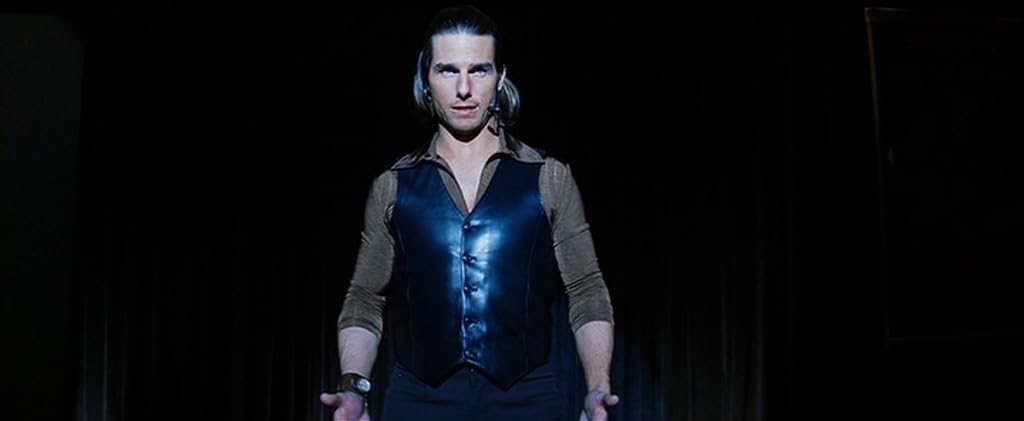
With a lot of characters throughout a mostly complex intersection of Magnolia, one would probably assume Anderson went out of his way to make this three-hour melodrama full of itself. That thought might be the case on first glance, but peeling everything back to understand what it means, you’ll come out of his third film with a sense of enlightenment. During a 24-hour period in the San Fernando Valley, the story deals with the lives of nine individuals who are connected in one way or another, including Officer Jim Kurring (John C. Reilly), chauvinist motivational speaker Frank T. J. Mackey (Tom Cruise), and past and present “What Do Kids Know?” contestants, Quiz Kid Donnie Smith (William H. Macy) and Stanley Spector (Jeremy Blackman).
Magnolia, a film that can be seen as a tribute to Robert Altman’s Short Cuts, is a profound exploration of forgiveness and redemption. It presents a deep drama, focusing on characters who are larger-than-life and yet uncertain about their own motivations. The film’s narrative invites the viewer to reflect on forgiveness, redemption, and the unspoken need for help. Can the screenplay be a bit messy? Sometimes, especially when it tends to have one or two storylines that aren’t as important. But you get caught up in the emotional through lines of everybody, thanks to a pact ensemble Anderson got here. Cruise, in particular, gives one of his best dramatic performances (should’ve won his Oscar for this) as the unlikable T.J. Mackey, proving he’s at his best when he’s with Jason Robards on his deathbed. And the soundtrack by the underrated Aimee Mann gets overlooked, with the scene of everyone singing a piece from “Wise Up” remaining an unforgettable moment. Magnolia isn’t for everyone, but once it builds on what it all means, it blossoms into something beautiful.
5) ‘Licorice Pizza’
Release Date: November 26, 2021
Budget: $40 million
Domestic Box Office: $17.3 million/ Worldwide: $33.3 million
RT Score: 90%
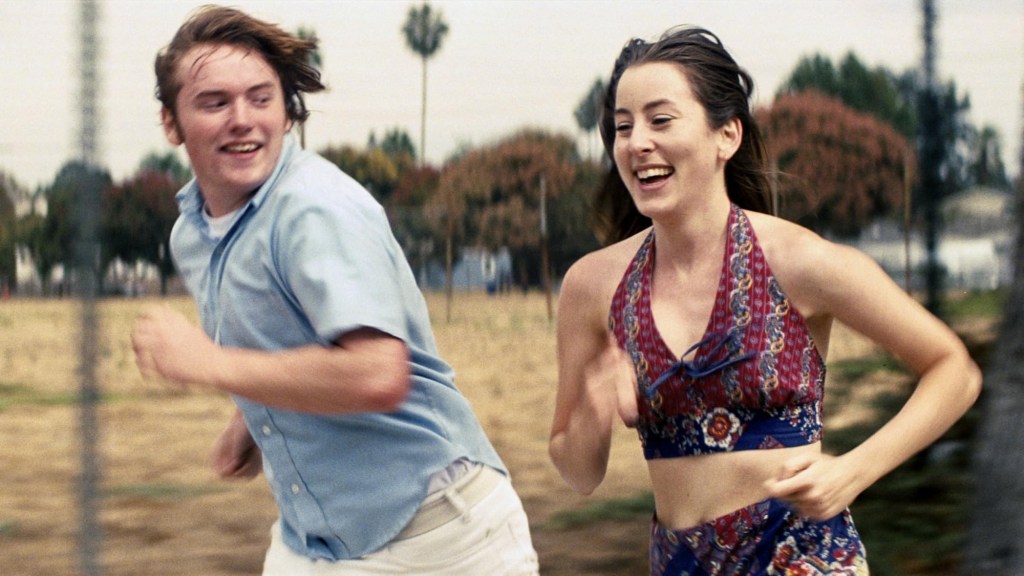
As his first film of the 2020s, PTA takes us back to the early 70s with Licorice Pizza, a film that brims with youthful energy. While it may not be everyone’s cup of tea, this lighthearted and relaxed film is a refreshing addition to PTA’s repertoire. The story follows the budding relationship between 25-year-old Alana (Alana Haim) and teenager Gary Valentine (Cooper Hoffman), as they explore business ideas and contemplate their future.
While some may find Licorice Pizza‘s episodic nature a bit too much, I personally find it to be one of the film’s most engaging aspects. By that, I will never get past those who consider this a step down. Paired with the breakout performances from Haim and Hoffman in their film debuts, the story offers a captivating glimpse into the laid-back lifestyle of 1973, as the characters navigate a series of adventures that shape their personal growth. It’s enthralling to follow Gary selling waterbeds and the intense moment with Bradley Cooper’s scene-stealing portrayal of Jon Peters. More so or not, Licorice Pizza captures the times in an authenticity that doesn’t need to be as intense as some of his other works. Chances are, it might hold up for a couple of reasons, but it’s an entertaining coming-of-age film worthy of earning its three Oscar nominations (maybe the closest to winning Original Screenplay).
4) ‘One Battle After Another’
Release Date: September 26, 2025
Budget: $130 million
Domestic Box Office: $24.3 million / Worldwide: $53.1 million (as of 9/30/2025)
RT Score: 96% (as of 9/30/2025)
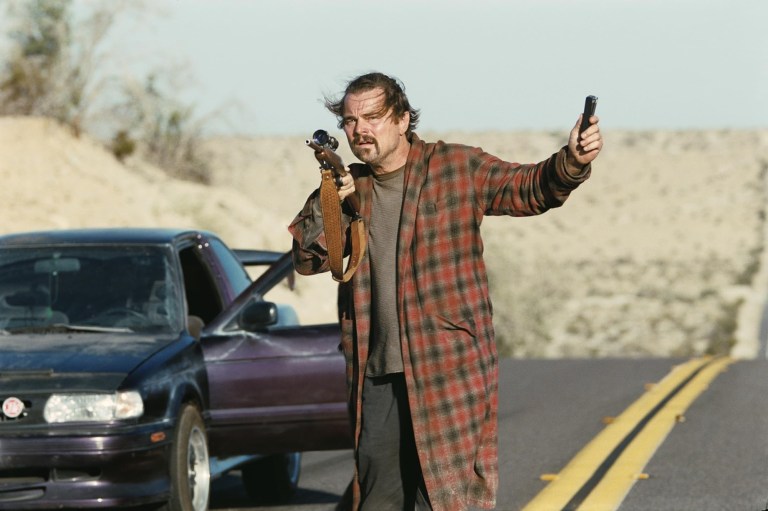
If Licorice Pizza was considered to be Anderon’s most laid-back film in a while, his latest, One Battle After Another, gives you a sensation of rush fans haven’t experienced with him in a long time. Working with his highest budget to date and with another Thomas Pynchon adaptation to his name, not only is this leagues better than his previous Pynchon film, but this is PTA tapping into different genres that come together to create another hit that won’t be forgotten by the end of the year. After Col. Steven J. Lockjaw (Sean Penn) and his troops go out hunting for the search for sixteen-year-old Willa (Chase Infiniti) in the sanctuary city of Baktan Cross, her father, former revolutionary Bob Ferguson (Leonardo DiCaprio), must find her, stepping back into the past whether he likes it or not.
Not that anyone would doubt PTA for delivering his most enthralling and accessible film that had the perfect balance of comedy, action, and thriller without overstaying its welcome, but it’s truly through his style that he pushes beyond his usual techniques to make it entertaining for those who are either not familiar with or tend to stay away from his films. No other movie of his can sustain the same amount of energy once Bob’s on the run and has to find his way to locate his daughter. To put it simply, One Battle After Another is riveting from start to finish. Great score, tightly paced story, and gave us two standout performances from DiCaprio and my fellow Hoosier, Chase Infiniti.
3) ‘There Will Be Blood’
Release Date: December 26, 2007
Budget: $25 million
Domestic Box Office: $40.2 million/ Worldwide: $76.2 million
RT Score: 91%
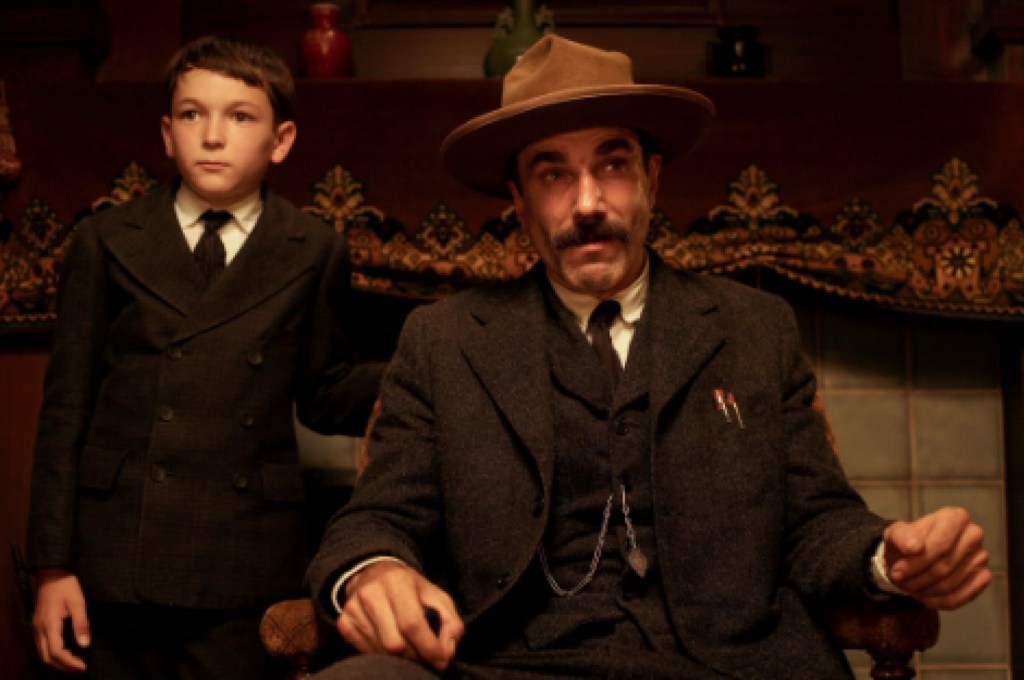
After a five-year break, fans didn’t expect Anderson’s next film to be his biggest in terms of scope and budget with 2007’s There Will Be Blood. At the time, this was quite different from what he had done before. And though it isn’t one to take everything in on the first viewing, it’s PTA’s touch that makes this epic a fantastic achievement in his career. Loosely based on Upton Sinclair’s novel Oil!, silver prospector turned oil baron Daniel Plainview (Daniel Day-Lewis) seeks to purchase an oil deposit, exploiting other landowners to do the same and causing the accumulation of wealth and greed in Daniel in the following years.
By far the darkest story he tackled that does require a good amount of patience that creeps up on you until the explosive final scene, There Will Be Blood’s ability to suck you in this intriguing tale of early 20th century capitalism won’t leave your mind once it’s over. What does it mean for a man to succeed? Can he only trust himself when he describes himself as a “family man”? You can’t think of this without Daniel Day-Lewis’s unmatched performance as Plainview, a businessman with a power attached to wealth, whatever he can find. It’s a role of his that remains under your skin cause of how intimidating, haunting, and often comical this man becomes. What Anderson pulled off in capturing the American landscape in There Will Be Blood showed mainstream audiences what he was capable of. It’s also the most acclaimed film of his at the Oscars, with eight nominations and two wins: Best Cinematography for Robert Elswit and Day-Lewis’s second win for Best Actor (arguably the greatest win from the category of the 2000s).
2) ‘Punch-Drunk Love’
Release Date: October 11, 2002
Budget: $25 million
Domestic Box Office: $17.8 million/ Worldwide: $24.6 million
RT Score: 79%
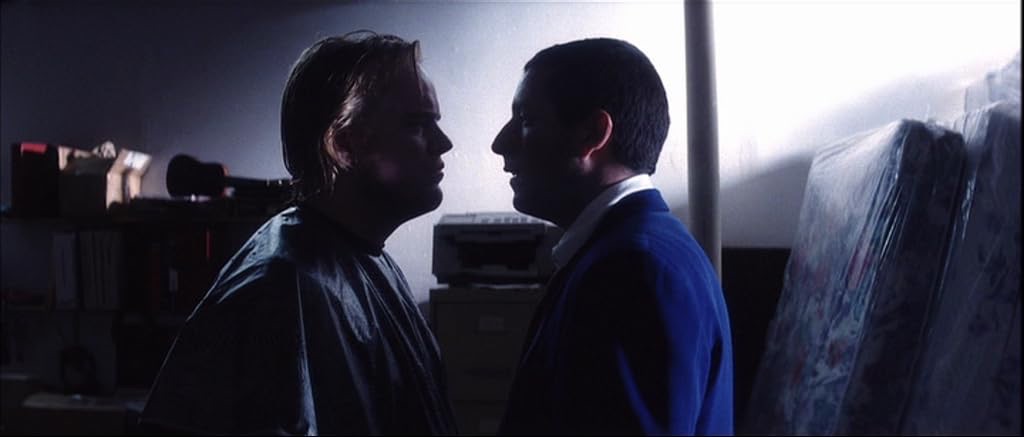
Nobody knew what to think in 2002 when we heard Adam Sandler was going to work with PTA on his comedy-drama Punch-Drunk Love. Very uncommon to see an actor popular in the comedic world take on a serious role, but considering the SNL alum’s other movies in the decade failed to reach critics, this was the one that made us, especially me, believe he has the chops in what’s got to be the filmmaker’s most underrated project. Barry Egen (Sandler) is a lonely business owner constantly berated by his seven sisters, leading to serious anger problems. Once he meets a woman named Lena (Emily Watson) and finds a loophole in cashing in frequent flyer miles, it all goes great until he gets involved in a scam with a sex-line worker.
In his shortest film at 96 minutes, Punch-Drunk Love taps into the anxiety of love and self-doubt that most audiences will find relatable. More importantly, Sandler delivers his best performance I’ve seen from him as Barry. He’s a nice guy, but his insecurities often get in the way for those around him. Flawed as he may appear, he’s somebody to root for when he falls for Watson’s Lena, who shares wonderful chemistry with him throughout. While its touching moments and surprising amount of laughter were expected, it’s a profoundly human story about our emotional repression, embracing what comes out within us, told through a dream-like perspective. The film’s unexpected humor is a delightful surprise, keeping us entertained throughout. Also, the scene where Phil Seymour Hoffman, as the mattress king, is yelling at Sandler through the phone is gold. I liked it at first, but I’ve come to love Punch-Drunk Love in how odd and unique it can be.
1) ‘Boogie Nights’

Release Date: October 10, 1997
Budget: $15 million
Domestic Box Office: $26.4 million / Worldwide: $43.1 million
RT Score: 91%
If there’s someone who has never dabbled in Anderson’s films, you can be assured that Boogie Nights is one I would recommend. In only his second feature, which he did in his late ’20s, based on his short film and the life of adult actor John Holmes, he came fully swinging for an energetic time that has the right to be called his Goodfellas. Set in the San Fernando Valley in the mid-70s, Eddie Adams (Mark Wahlberg) is discovered by adult filmmaker Jack Horner (Burt Reynolds). Under the stage name Dirk Diggler, he and those around him in the porn industry experience the highest of highs to the lowest of lows in life.
Perfectly capturing the late 1970s to early 1980s without wearing itself out, Anderson brings an exciting energy that we don’t see in his more recent films. Once Eddie steps into this new world where he becomes a breakout star, it’s the life he’s been dreaming about. But what happens when it’s a new decade and the industry transitions to video instead of film and finding work outside of entertainment is a struggle? The film explores the peak era of the porn industry, offering a unique and often overlooked perspective. It doesn’t make it out all for laughs when compared and contrasted to the first and second halves. The entire ensemble is fantastic, from Wahlberg giving his best performance of his career to Reynolds briefly reviving his career with an Oscar-nominated performance. And let’s not forget its soundtrack.
Aside from how it tackles the rise and fall from fame and explores the dark sides of excess in showbiz, it offers its characters a group to call a surrogate family through love and acceptance, especially when Julianne Moore’s Amber Waves/ Maggie is presented as a mother figure to Dirk and Rollergirl (Heather Graham). Given how Anderson grew up in the Valley, he knew precisely the world he wanted to create, which is surprisingly humorous, but still showcases that the glamorous lifestyle isn’t always golden. One of the best to be released of the decade, Boogie Nights is easily PTA’s magnum opus when it comes to cinema.

 DC's Take