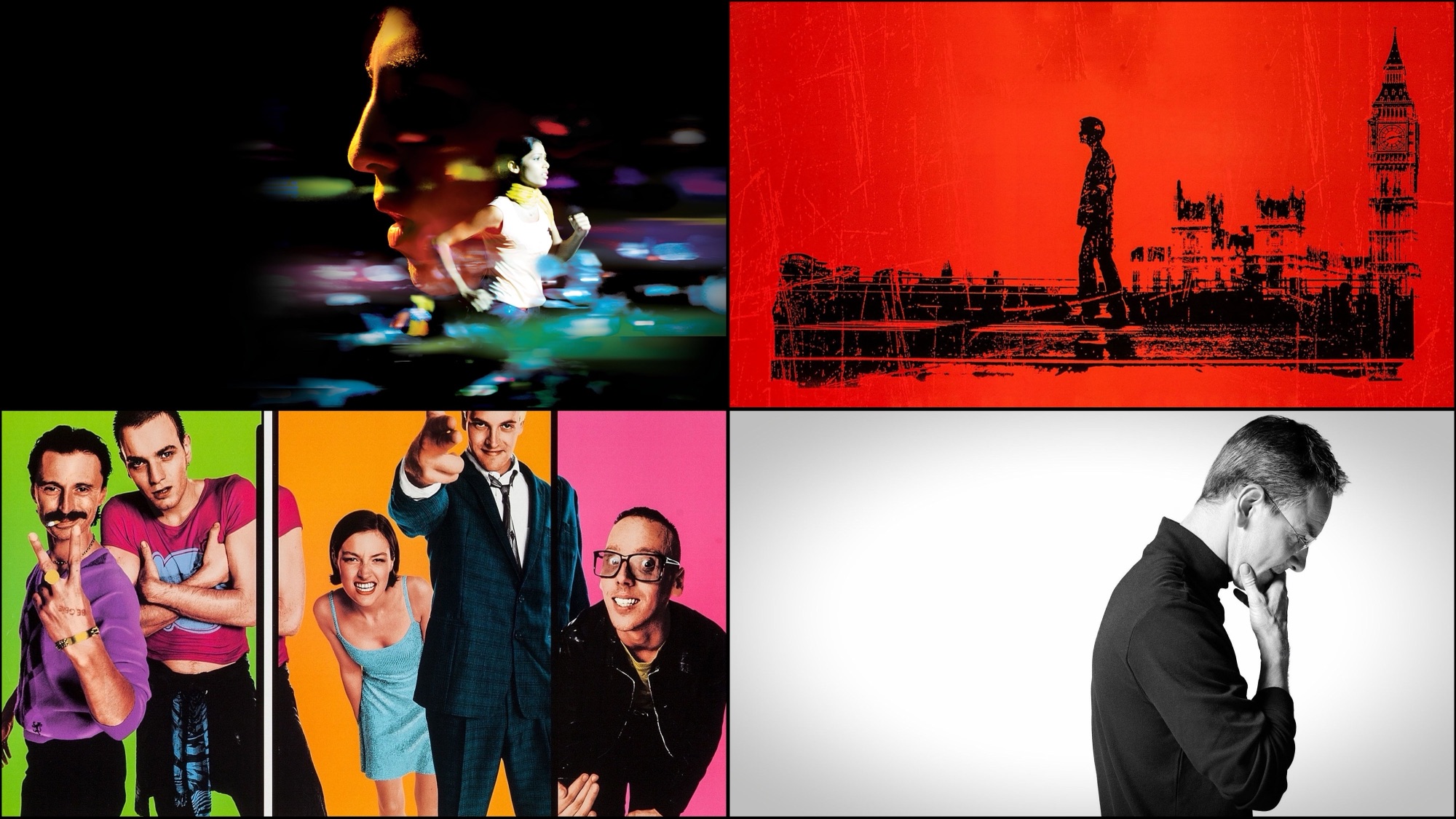
When discussing British directors, Danny Boyle deserves a prominent place in the conversation due to his unpredictability over the past three decades. His stylized vision ensures that nearly every film he makes leaves a lasting impact. Boyle showcases his versatility by shifting between various genres, including sci-fi, crime dramas, and lighter, more lighthearted stories. Some of his best works are the result of collaborations with frequent writers John Hodge and Alex Garland, as well as actors Ewan McGregor and Cillian Murphy. Boyle brings a unique energy to his films, whether or not they achieve cult classic status, which ultimately earned him an Academy Award in 2009. Additionally, he directed the opening ceremony for the 2012 London Olympics. And let’s not forget that he was initially set to direct No Time to Die.
With the recent release of 28 Years Later, this latest installment of Director’s Canvas puts the spotlight on Boyle, ranking all 14 of his films. How does his body of work hold up today, and have you seen any that weren’t box office hits?
14) ‘A Life Less Ordinary’

Release Date: October 24, 1997
Budget: $12 million
Domestic Box Office: $4.3 million/ Worldwide: $14.6 million
RT Score: 41%
Given that there are few options for where to stream it online and it wasn’t a commercial hit, it’s apparent that A Life Less Ordinary is mentioned less when giving Boyle’s filmography a glimpse. Knowing that he directed it, this late ‘90s studio crime comedy is nothing more than a straight-up disappointment. Robert Lewis (Ewan McGregor) can’t catch a break after being fired as a janitor and his girlfriend leaving him. After storming into his former boss’s office to confront him, Robert kidnaps his spoiled daughter Celine Neville (Cameron Diaz), where two angels sent from Heaven, O’Reilly (Holly Hunter) and Jackson (Delroy Lindo), must make the mismatched pair fall in love or remain on Earth forever.
You watch this, and you won’t think that this third collaboration with McGregor and writer John Hodges, to have A Life Less Ordinary not just turn out bad but also go nowhere, is the least bit charming. It wants to be this blend of romance and crime that doesn’t mesh with its tones, causing the chemistry between McGregor and Diaz’s characters to be too thin to care about. And it doesn’t help when the script doesn’t get the best performances from greats like Hunter and Lindo. This movie is remembered only for its soundtrack, which features Beck, The Cardigans, and the underrated Northern Irish band Ash with the title song.
13) ‘The Beach’

Release Date: February 11, 2000
Budget: $50 million
Domestic Box Office: $39.8 million/ Worldwide: $144.1 million
RT Score: 21%
The start of the new millennium didn’t start so smoothly for Boyle or star Leonardo DiCaprio (at the height of his post-Titanic career) when they teamed up for this adaptation of future collaborator Alex Garland’s best-selling international novel, The Beach. A young American backpacker named Richard (DiCaprio) and a young French couple, Françoise (Virginie Ledoyen) and Étienne (Guillaume Canet), take a chance to travel to a secluded island in the Gulf of Thailand. Reaching the tropical paradise leads to them meeting a community of fellow travelers who live there, and soon Richard realizes it’s less than perfect.
You can tell Boyle wanted to explore how those who want to get more out of a vacation can do so. This presents the beach as an untouched piece of paradise, one that needs protection from the outside world. While the cinematography captures the feel of Maya Bay, which is beyond exquisite for those wishing to experience it for themselves, The Beach can’t help but feel frustrated in a somewhat muddled screenplay that goes aimless for so long. It shifts from relaxation to thriller at the drop of a hat, and it doesn’t work. DiCaprio’s performance isn’t one of his finest either, earning him a Razzie nomination for Worst Actor. But it’s the last hour that the story falls apart, especially with Richard’s disconnection from reality that had me so disconnected, making The Beach not remembered a quarter century later.
12) ‘Yesterday’
Release Date: June 28, 2019
Budget: $26 million
Domestic Box Office: $73.3 million/ Worldwide: $154.6 million
RT Score: 63%
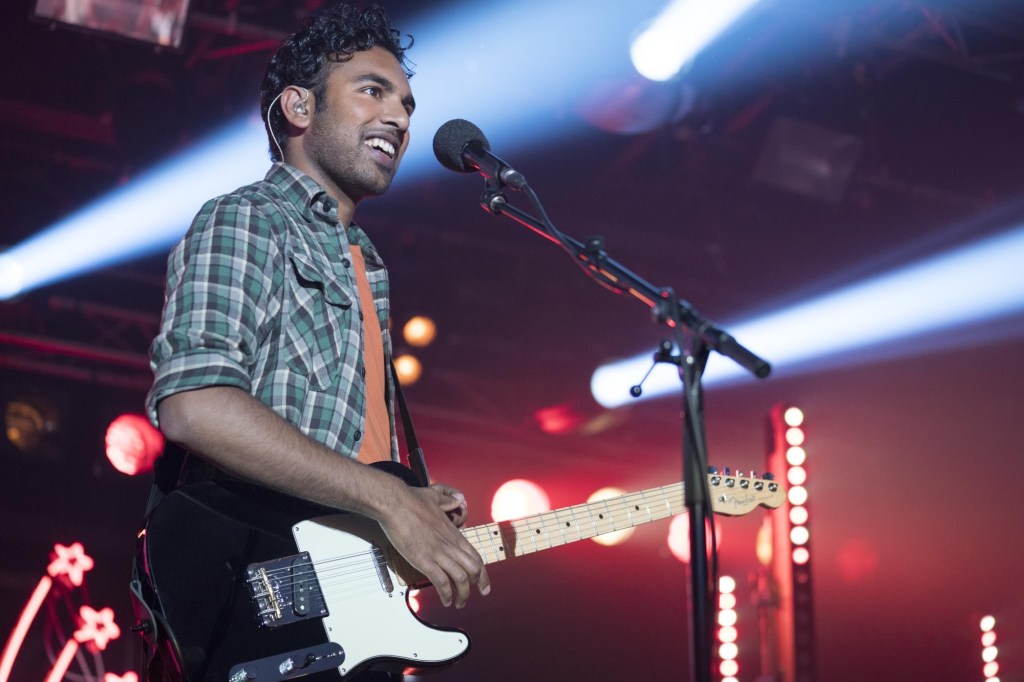
It sounded strange for Boyle and writer Richard Curtis, the mastermind of British rom-coms, to team up around a pretty cool concept too big to fail. But while Yesterday doesn’t hit all the right notes to make it all memorable, it still has its charm to get by on. After struggling songwriter Jack Malick (Himesh Patel) gets hit by a bus after a global blackout, he discovers nobody knows who the Beatles are except him. Faced with the dilemma of learning the songs of one of the greatest British bands of all time, Jack becomes instantly famous for performing their songs, passing them off as his own.
Yesterday is one of a couple of films Boyle made that goes for that lighthearted feel with an idea no music fan wants to wonder: A world without The Beatles is madness. Patel’s performance as Jack is excellent, providing him with the leeway to become a breakthrough actor to pay attention to after its release. Jack’s success takes off hugely, only to realize he’s unsure if he should take credit for the Fab Four’s work and is falling for his friend Ellie (Lily James). Why Yesterday is just alright from this team-up is that it has a fascinating premise that I don’t think was explored enough to make this shift in reality work. For Beatles fans, there’s some amusement to be gained from the movie, even if you forgive the flaws of the storytelling.
11) ‘Trance’
Release Date: April 5, 2013
Budget: $20 million
Domestic Box Office: $2.3 million/ Worldwide: $24.3 million
RT Score: 68%
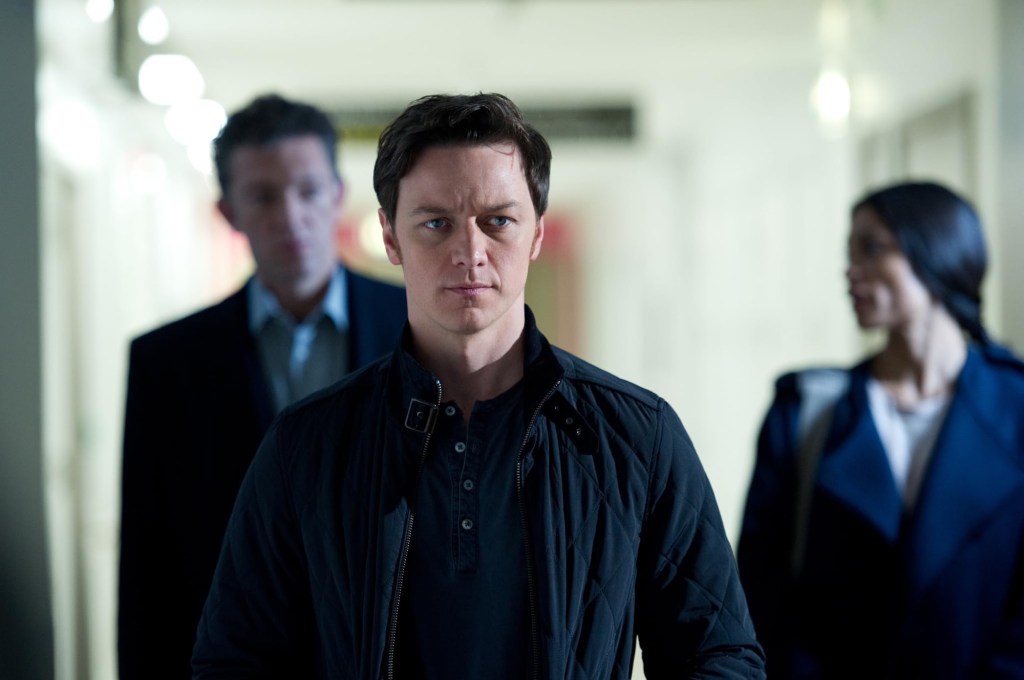
Trance is a film that people have forgotten Boyle directed, as it had a minimal release and received little attention once it hit theaters in early spring 2013. However, it would’ve been an impossible task for it to be greater than his last two major award contenders, Slumdog Millionaire and 127 Hours. By that, his style comes through in this psychological thriller, which can sometimes try too hard to be clever. Art auctioneer Simon Newton (James McAvoy) forgets where he placed the priceless painting of Francisco Goya’s Witches in the Air after double-crossing Franck (Vincent Cassell) and his gang. A blow to the head left him with amnesia, leading Simon to seek hypnotherapist Elizabeth Lamb (Rosario Dawson) to unlock his memory.
The story starts strong with Simon’s intrigue in figuring out where this plan is, marked by the unconventional decision to be put in a trance to unlock the truth. Boyle and his writers wanted this to be a more high-concept film, similar to Memento. However, it loses some of its engagement through its twists and turns, which can be confusing at times, making it difficult to follow the plot. But it offers an underrated performance from James McAvoy. Trace is somewhat predictable yet watchable until the conclusion doesn’t quite land, making this a serviceable time that doesn’t always live up to its cool premise.
10) ‘Millions’

Release Date: March 11, 2005
Budget: $9 million
Domestic Box Office: $6.6 million/ Worldwide: $11.8 million
RT Score: 87%
Back 20 years ago, hearing Boyle would direct a film that’s not gritty and violent and more suited for families sounded crazy to believe. Millions is one of the few lighthearted films with his name attached, and it’s a family film with mature themes that isn’t one of his best, but it gives its young audience something to ponder. Based on screenwriter Frank Cottrell-Boyce’s novel, nine-year-old Damian Cunningham (Alex Etel) and his brother Anthony (Lewis Owen McGibbson) discover a bag full of money that was flung from a passing train. Damian believes it was sent from God and wants to give it to those in need, while Anthony wants to spend it as the country is prepared to adopt the Euro.
It’s a fascinating scenario that many of us have contemplated: What if we were to suddenly come into a large sum of money? The possibilities are endless. Damian, a character who engages in imaginary conversations with saints, is particularly drawn to the idea of using wealth to help those in need. His desire to do good is strong, even when he discovers that the money he’s been given is stolen. Millions can be too cheesy and did not move me to tears, but credit to Boyle for crafting a layered story that resonates with both kids and adults about the value of faith and goodness in a consumerist society. Side note: It gets points for its soundtrack, including not just Feeder’s “Tumble and Fall” but also two Muse tracks back-to-back: “Hysteria” and “Blackout.”
9) ‘Shallow Grave’
Release Date: February 10, 1995
Budget: $2.5 million
Domestic Box Office: $2.1 million/ Worldwide: $8.4 million
RT Score: 72%
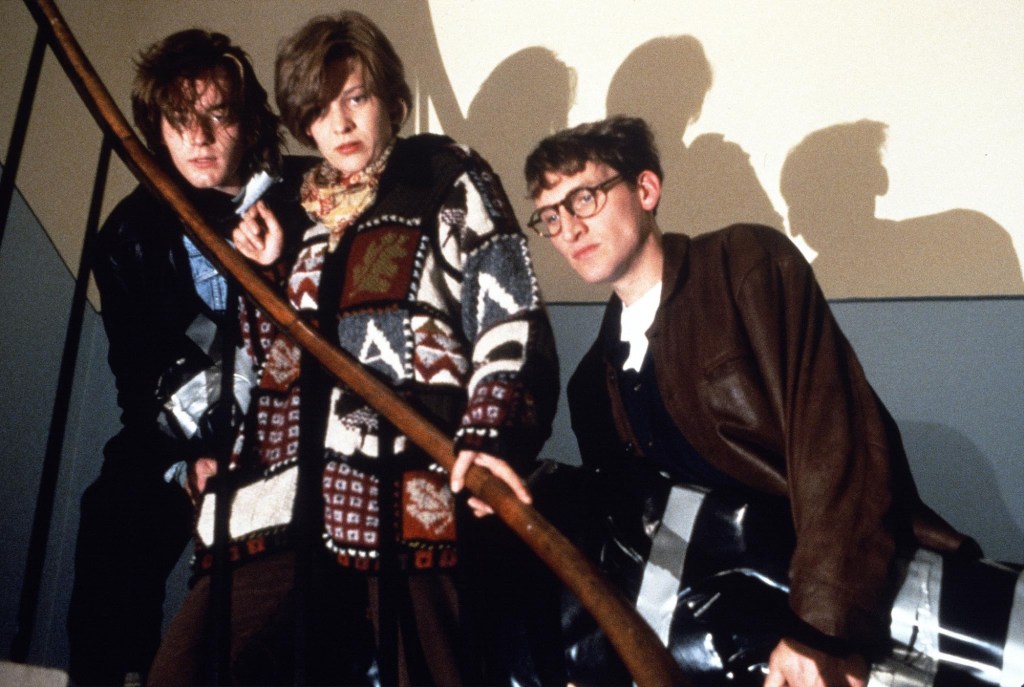
Directorial debuts often get overlooked, especially if they were released in the early to mid-’90s. Our first exposure to Boyle and screenwriter John Hodge came together in Shallow Grave, which might not be the first film that comes to mind, but it showcased his style to his audience. Juliet (Kerry Fox), Alex (Ewan McGregor), and David (Christopher Eccleston) found a new flatmate for their London flat, only to discover he had died, leaving a suitcase full of money. With this leading them to dispose of the body and keep the money for themselves, the three friends are faced with paranoia about their actions.
Shallow Grave gives you what you come to expect from a typical Boyle flick: A thriller with a comedic twist that has what can be described as unlikeable people faced with the corruption of what it means to be loyal and trust each other. Even when this is better suited as a play, the unpredictable factor in how these characters might deal with their decisions is not getting caught when turning against one another. From his first feature alone, it’s nonetheless a strong debut about ordinary people who make one terrible choice and how it can affect one’s mind.
8) ‘T2 Trainspotting’
Release Date: March 17, 2017
Budget: $18 million
Domestic Box Office: $2.4 million/ Worldwide: $41.7 million
RT Score: 81%
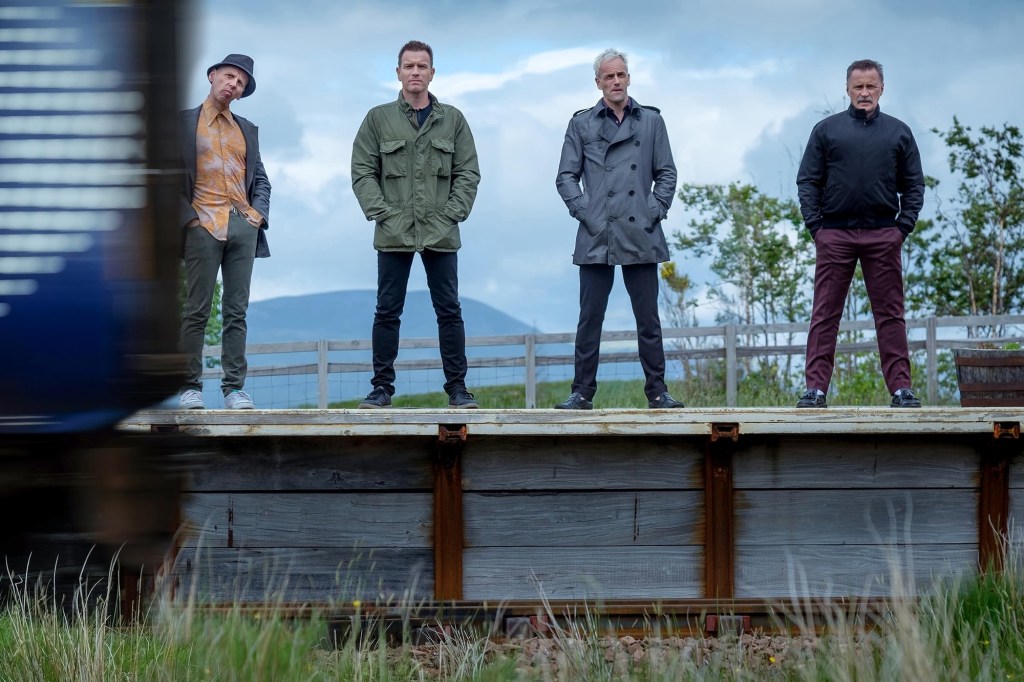
Twenty one years after Hollywood gave him the spotlight, Boyle gave us the long-awaited sequel, T2 Trainspotting, which was adapted from Irvine Welsh’s sequel to his novel Porno. In the years since its release, it seems as though nobody remembers that this came out (at least in America) in a year that had its fair share of memorable and lackluster follow-ups. Who knew how this would’ve turned out, but it was a nice follow-up, even if it doesn’t compare highly to its predecessor. Years after Renton (Ewan McGregor) ran off with £16,000 and remained sober, he returns to Edinburgh, where he’s reunited with his old buddies Spud and Sick Boy.
The first time I saw T2 Trainspotting was shortly after watching the original for the first time, which didn’t allow me to form a strong attachment to the characters. Now, I have a newfound appreciation for Boyle’s attempt to recapture the spirit, despite it not being depressing. Besides, the cast perfectly slipped back into their characters as if they had never left. It’s a sequel that delves deeply into the themes of regret and reconnection, prompting us to ponder how Renton and the boys used to be and the struggles they faced in trying to forge a new direction in life. It’s not perfect, but it’s a fairly unseen sequel that should delight fans of the original. Plus, it introduced me and others to the band Wolf Alice.
7) ’28 Years Later’
Release Date: June 20, 2025
Budget: $60 million
Domestic Box Office: $30 million/ Worldwide: $60 million (as of 6/22/2025)
RT Score: 89% (as of 6/22/2025)
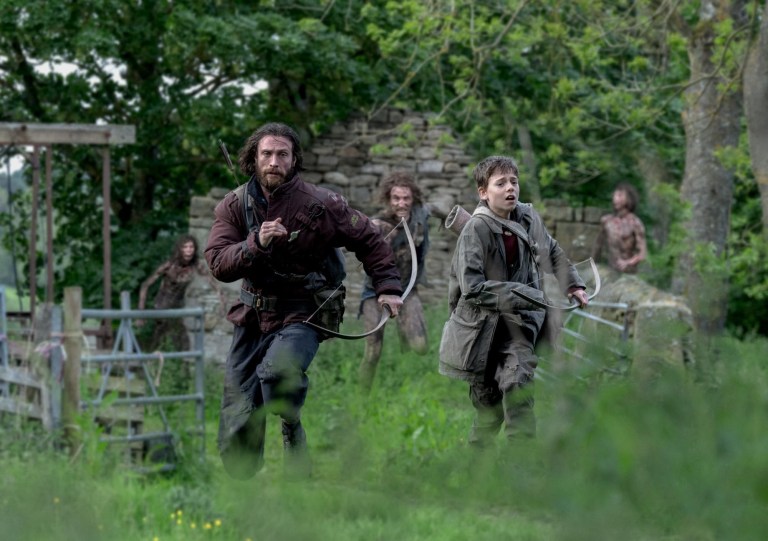
It was a long wait for fans of Boyle and writer Alex Garland, who had been eagerly anticipating their next collaboration in the zombie genre. After nearly 20 years, their project, 28 Years Later, finally emerged. While it may not be a masterpiece, the Film brings the terror and unexpected drama of stepping back into a post-apocalyptic world. Decades after the Rage Virus was released in Britain, Jamie (Aaron Taylor-Johnson) takes his son Spike (Alie Williams) off the island and ventures into the mainland to kill an infected and survive, which leads Spike to learn more about the outside world.
Compared to the original 28 Days Later, it’s not as raw as one came to expect. But the question remains: was this worth the two-decade wait? The answer is yes. 28 Years Later does a good job of carrying over its tense tone to create a blend of horror and coming-of-age story in its expansion of the world Boyle established. There’s no shortage of bloody zombie action that’ll keep the fans entertained, but what will make or break the experience is giving a reason to care about the stakes for this family, carried by a fantastic performance from young Alfie Williams as Spike. Even when it becomes a bit uneven with its pacing in the second act or even the last few minutes to set up the next installment, you still get yourself a solid zombie sequel that’s also beautifully shot.
6) ‘Sunshine’

Release Date: July 20, 2007
Budget: $40 million
Domestic Box Office: $3.7 million/ Worldwide: $34.8 million
RT Score: 76%
Those wanting to expand their sci-fi exposure more with some films that might’ve flown under the radar in the 2000s, look no further than Sunshine, the second collaboration between Boyle and Alex Garland. In the future, the sun is dying, and a crew of astronauts aboard the spaceship Icarus II is on a mission to deliver a payload to reignite the sun with a stellar bomb. But what happens when a perilous mission becomes more dangerous before they reach their destination, as a distress signal is heard?
Often cited as one of the most underrated gems in the genre, Boyle crafted a space thriller that relies more on the characters’ actions than on spectacle. Which is still quite beautiful, given the $40 million budget that makes Sunshine look more like a big-budget blockbuster. Drawing inspiration from the popularity of Alien and Solaris in their time, the themes of humanity are explored through this psychological landscape, which enables the crew to survive and complete their mission, potentially leading to ultimate sacrifices. The third act loses some momentum when it shifts into horror, which causes it to peak, but this can be forgiven with its exhilarating climax, which ends on the right note. Also, nobody mentions the fantastic score from John Murphy and Underworld. Led by a stacked cast, including Cillian Murphy, Chris Evans, and Michelle Yeoh, and a story that’s bleak yet compelling when it’s over, Sunshine is brighter than it appears.
5) ’28 Days Later’
Release Date: June 27, 2003 (U.S.)
Budget: $8 million
Domestic Box Office: $45.1 million/ Worldwide: $82.7 million
RT Score: 87%
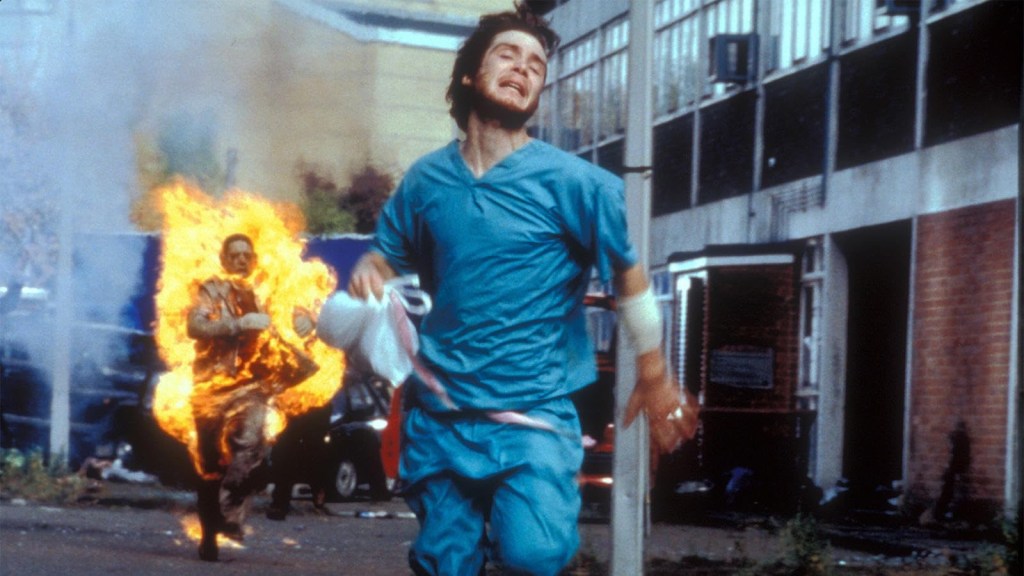
Before 28 Days Later came out, horror fans thought zombie movies were a thing of the past, especially when recapping the days of George A. Romero. But what we have here is a classic post-apocalyptic story that not only revived the interest in the sub-genre but also introduced unique elements that set it apart from other zombie films, making it a must-watch two decades later. Awakened from a coma in an empty hospital, bicycle courier Jim (Cillian Murphy) finds London completely deserted, unaware of a deadly virus that has spread across the globe. Where he and fellow survivors Selena (Naomie Harris), Frank (Brendan Gleeson), and his daughter Hannah (Megan Burns) must survive and reach a blockade outside Manchester.
With a gritty approach to bring this setting to life, given that it was shot on a Canon XL1 digital camera, Boyle and writer Alex Garland were able to collaborate effectively to create 28 Days Later, a type of zombie flick that is both effective and truly scary at times, considering its low budget. Just the scene of Murphy’s Jim walking around the empty streets of London is haunting. The film’s portrayal of the post-apocalyptic world, with its deserted streets and decaying buildings, is both eerie and captivating. Having fast-paced zombies (or the infected, since they never referred to them as “zombies”) was a change of pace, as they were previously portrayed as slow walkers. There are also strong performances from everybody, making it interesting to see Jim adapt to this world nearly a month after the outbreak. It slows down once Christopher Eccleston and his soldiers arrive, but it is nonetheless a film that has had a lasting impact on memorable zombie movies, for better or worse.
4) ‘Steve Jobs’
Release Date: October 9, 2015
Budget: $30 million
Domestic Box Office: $17.8 million/ Worldwide: $34.4 million
RT Score: 85%
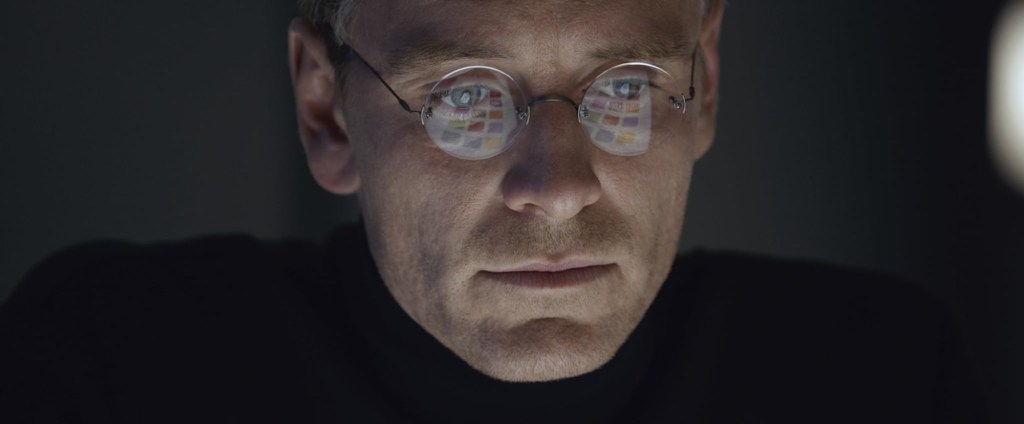
Having another movie focusing on the former co-founder of Apple probably didn’t sound exciting after Jobs, starring Ashton Kutcher, failed to impress anyone. However, it’s when you have Boyle and the master of dialogue, Aaron Sorkin, that make it great, with 2015’s Steve Jobs, which takes a unique turn to differ from other traditional biopics. Spanning fourteen years, it chronicles Steve Jobs’ life before three pivotal press conferences: the Macintosh in 1984, the NeXT Computer in 1988, and the iMac G3 in 1998, as well as the behind-the-scenes aspects of his dealings with work and family issues, including his relationship with his daughter Lisa.
The fact that Steve Jobs lends itself to a three-act structure film that keeps the investment alive for two hours will always be noted as why nearly everything about this drama works. While it’s not entirely accurate, it portrays Jobs as a complicated genius who’s a visionary; yet, he’s a man driven by ambition that makes him who he is, fueled by his dedication to giving people what they want. Fassbender easily made this character his own, despite not physically resembling him, and delivered one of his finest performances. Alongside him, Kate Winslet, Seth Rogen, and Jeff Daniels were compelling thanks to Sorkin’s brilliant writing throughout. And it’s Boyle’s direction that allows him to scale back his style to tell a straightforward story. Honestly, Steve Jobs is one of the last decade’s most underrated films after its box office disappointment, although Fassbender and Winslet were nominated for Best Actor and Supporting Actress, respectively. Though, where was Sorkin’s Oscar nomination after his Golden Globe win?
3) ‘Slumdog Millionaire’

Release Date: November 12, 2008
Budget: $15 million
Domestic Box Office: $141.3 million/ Worldwide: $378.4 million
RT Score: 91%
An unexpected crowd-pleaser at the end of the 2000s, Slumdog Millionaire was a coming-of-age film that emerged from nowhere. Its elements, including a movie featuring a quiz show, gangsters, hustling, and love, all worked in its favor within two hours. Based on Vikas Swarup’s novel “Q & A,” we see 18-year-old Jamal Malik (Dev Patel), a chaiwala from Mumbai, who is the latest contestant to compete on the Indian version of Who Wants to Be a Millionaire? However, accused of cheating, it would be impossible for someone like Jamal to know these answers; yet, everything in his life led him not only to know them but also closer to finding his true love, Latika (Frida Pinto).
Everybody loves a good underdog story about someone defying the odds, and Boyle and his team captured it quite beautifully through its flashbacks, which don’t disrupt the flow of Jamail’s journey growing up. We almost know he might win the game, but we see that his life has been an uphill battle to survive, especially with his brother. But it’s the theme of destiny that keeps anyone hopeful when everything’s leading to one moment in time, even if it’s love. Patel put out a remarkable breakout performance along with Pinto. And believe it or not, it was almost a straight-to-DVD release. Slumdog Millionaire‘s ability to take us on an emotional and ultimately uplifting Dickens-type tale that’s a true winner. Not only did it gross over $300 million worldwide, it cleaned up with eight Academy Awards, including Best Picture and Director for Boyle.
2) ‘127 Hours’

Release Date: November 5, 2010
Budget: $18 million
Domestic Box Office: $18.3 million/ Worldwide: $60.7 million
RT Score: 93%
After his last film took home Best Picture, you better believe Boyle had free range to do whatever his eyes were set on for his follow-up. And because when you tell someone 127 Hours was inspired by a true story, chances are they won’t buy into it. However, this survival drama doesn’t leave you doubting Boyle’s talents for crafting emotionally driven stories about the human experience, leaving you to appreciate life in just 94 minutes. 27-year-old Aron Ralston (James Franco) is a thrill-seeking canyoneer who loves going on adventures without telling anyone where he’s going. At Blue John Canyon, he slips through a slot canyon, causing a huge boulder to pin his right arm to the wall.
When you have a film that has its main character in one setting, it could lead to a boring experience. Except in 127 Hours, Boyle doesn’t let that happen once we see Aron’s free-spirited nature get the best of him, managing to stay calm and trying to figure out the best ways to escape with what little he has. The claustrophobic atmosphere of recreating the canyon space remains effective, and Franco delivers a career-defining performance as Aron, navigating the pain, laughter, and heartbreak of recalling his past in a dire situation. (He could’ve won Best Actor if he wasn’t terrible as an Oscar host.) But between the graphic amputation scene, which is truly difficult to watch, what to take away from 127 Hours is finding the beauty in the message that our mistakes can shape who we are, and that’s the chance to make us have the will to live. It’s an incredible biopic that earned its six Oscar nominations.
1) ‘Trainspotting’
Release Date: July 19, 1996
Budget: $1.5 million
Domestic Box Office: $16.5 million/ Worldwide: $72 million
RT Score: 90%
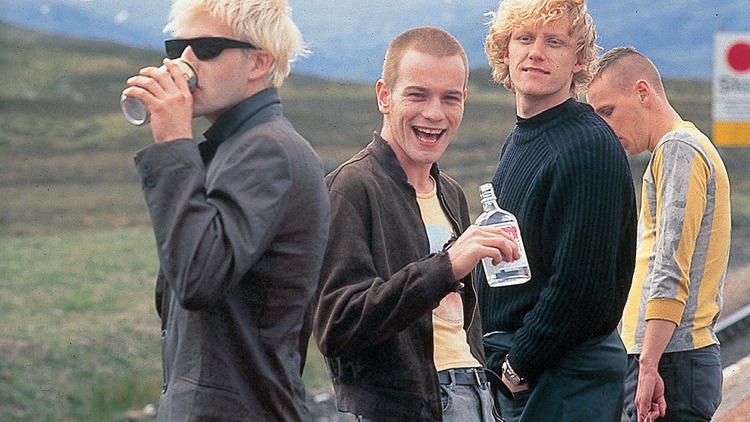
It’s always the second feature film that starts to attract the attention of filmmakers. For Boyle and writer John Hodge, the rising fame came when they hit a home run with Trainspotting. Because one doesn’t have to be a drug addict to feel this explosive sense of energy coming off this brilliant adaptation of Irvine Welsh’s 1993 novel. Mark Renton (Ewan McGregor) struggles to kick his heroin addiction around Edinburgh, Scotland, where he’s surrounded by his fellow friends who also take drugs- Sick Boy (Jonny Lee Miller) and Spud (Ewen Bremner), and those who stay away from them – the enigmatic psychopath Begbie (Robert Carlyle) and the innocent Tommy (Kevin McKidd).
Right from the get-go of listening to Renton’s monologue about choosing what life means, a pivotal moment that sets the tone for the entire narrative, there’s no stopping this entertaining yet dark trip of overcoming the battles within the poverty of Edinburgh. What’s particularly intriguing is the film’s unique approach to portraying poverty, which manages to be unexpectedly hilarious at times. Boyle and company let its characters, mainly Renton, feel the weight of friendships, betrayals, and the struggle to change a negative path into something better. It might not be as depressing as similar movies, but it doesn’t shy away from the realities of life, presenting them through a stylized and often funny lens. Everybody is great, especially Ewan McGregor’s star-making breakout role for years to come and one of the decade’s best soundtracks, which includes Iggy Pop’s “Lust for Life” to Underworld’s “Born Slippy.”
Out of everything from his filmography, Trainspotting has the right to be called a ’90s classic and continues to be remembered fondly nearly three decades later. Rightfully earning an Oscar nomination for Adapted Screenplay and responsible for bringing Boyle’s name to look out for, it has always been one of my absolute favorites.

 DC's Take