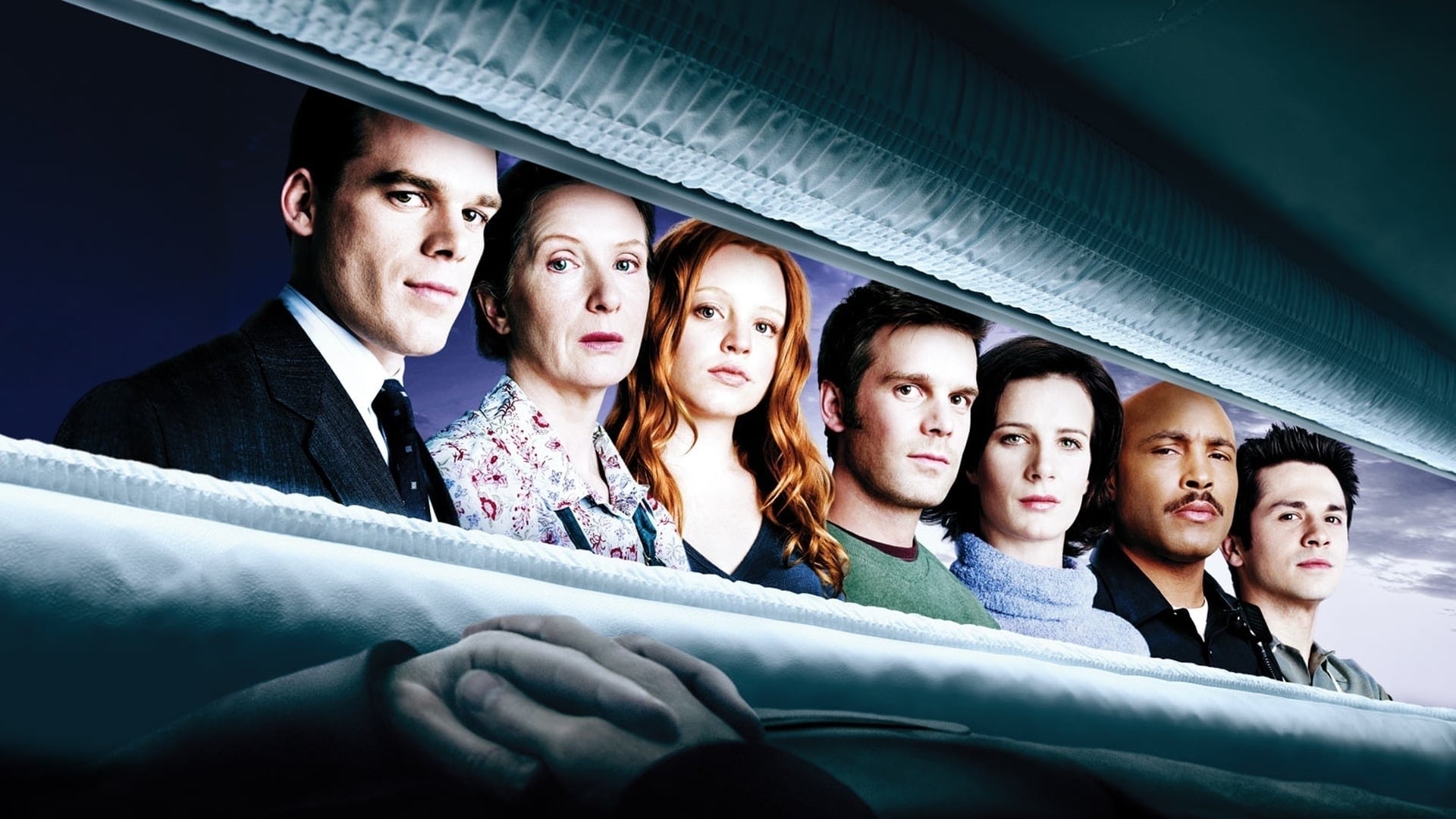
More than just the excitement of a filmmaker’s next project after winning an Academy Award for their debut film, there’s a palpable sense of anticipation. Equally, there’s a similar level of curiosity about a screenwriter’s next venture. This was the case after Alan Ball won the Oscar for writing 1999’s critically acclaimed (at the time) American Beauty. As fate would have it, HBO approached him to create a new series called Six Feet Under. At a time when the premium cable network was making its mark on the television landscape with The Sopranos and Oz, the decision was to develop an ensemble dark comedy-drama that would not just leave a lasting impression but also significantly influence its viewers. For five seasons, this impactful and thought-provoking show has left an indelible mark on me and its viewers, and its significance will be felt for years to come.
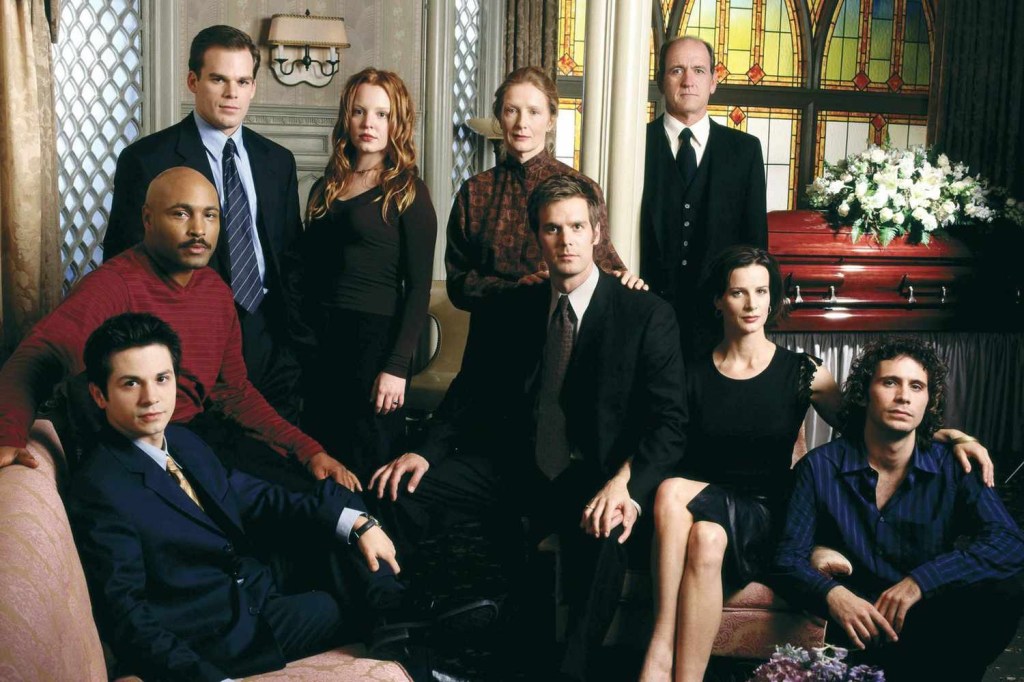
What’s the Story: On Christmas Eve 2000, tragedy struck the Fisher family after patriarch Nathaniel Samuel Fisher (Richard Jenkins) was hit and killed by a bus while driving a brand-new hearse. He’d leave behind his wife Ruth (Frances Conroy) and their three children: Oldest son Nate (Peter Krause), who flew in from Seattle; middle child David (Michael C. Hall); and their youngest and only daughter Claire (Lauren Ambrose). After his death, his will states that Nate and David have bequeathed the Fisher & Sons Funeral Home business in Los Angeles, a responsibility Nate was utterly unprepared to take on. The suddenness of this unexpected turn of events left Nate reeling. Beyond taking on the clients to prepare for day-to-day services inside their home, the lives of the Fishers intertwined with Federico Diaz (Freddy Rodgruiez), a highly skilled mortician, Keith Charles (Mathew St. Patrick), David’s on/off again boyfriend that he keeps secret because of his sexuality, and Brenda Chenowith (Rachel Griffiths), a woman Nate meets on his flight and has sex at the airport with the same day he found out his father died.
What prompted me to watch Six Feet Under nearly 20 years after it ended? It’s always been a show that interested me the most from the concept alone. Other HBO shows that remain on my watchlist, which might be older or new, are required to be in the know. But after understanding the flow of the series after about three episodes, who knew it could do so much to make us laugh and cry and stimulate our minds with its exploration of dark themes? Taking the time to binge through this in about a month wouldn’t leave my head in the month of sitting through everything it had to offer. And isn’t that the most crucial fact that makes any show popular?
What gets you hooked immediately is how every episode begins with the death of somebody, and the Fishers might be tasked to make sure everything is set, no matter how unconventional they may be. Sounds pretty morbid. It goes to show that anybody can die for just about any reason. Regardless of age, anyone can be gone from sickness, SIDS, heat stroke, or a random piece of blue ice that fell from an airplane. Most of the credit goes to how the writers can subvert your expectations, thinking this is how this person will die, only to pivot you in another direction. Sometimes, it might reflect on what the core characters will go through, reflecting their personal lives. However, placing this family in a funeral home is an aspect we don’t usually consider. How does one have this profession that deals with going over details about the recently deceased, embalming the bodies, and making them look presentable for their loved ones to remember them by? Despite any personal experiences with death, funeral directors maintain high professionalism in their work. This dedication to their craft instills confidence in us, the bereaved, that our loved ones are cared for with the utmost respect and dignity, regardless of our religious background.
With any series, it’s crucial to have a strong ensemble that viewers can connect with from the start. In this case, every central cast member was exceptional, portraying the most relatable and flawed characters, particularly the Fishers.
If any character resonated with me the most, that’s Nate, played to perfection by Peter Krause. His journey after his dad’s death, from being asked to stay a while to become David’s business partner, is a path that delves deep into his emotional struggles around commitment and identity. It’s a journey we can all empathize with, a reminder that life is an unpredictable mystery. Krause’s acting presents this appreciation of what it means to be alive while dealing with any stress in relationships with family/ romantic partners and being surrounded by dead bodies within his own reality. Honestly, that throughline of his arc is something, and it’s unbelievable that he never won an Emmy.
Before Michael C. Hall became the iconic antihero Dexter Morgan, he first captivated audiences with the complex character of David. David, Nate’s serious and resilient counterpart, grapples with a profound internal conflict. He not only strives to meet the high expectations set for him but also struggles to conceal his true identity as a gay man, especially during the first two seasons. His relationship with Keith, who worked for the LAPD officer early on, isn’t always smooth sailing. Still, beneath the tension, deep down, they love each other, especially when Keith’s personal problems derail plans to start a family. Early on, he and Nate have resentment after he takes part in Fisher & Sons, but he has grown closer to Nate than ever. And it wasn’t until the death of a gay man during season one that he finally wanted to come out, despite the growing fear of how most felt about homosexuality and the need to have an everyday life. Ultimately, David’s journey is about finding peace and having the acceptance that speaks to anyone who feels the weight of judgment on their shoulders.
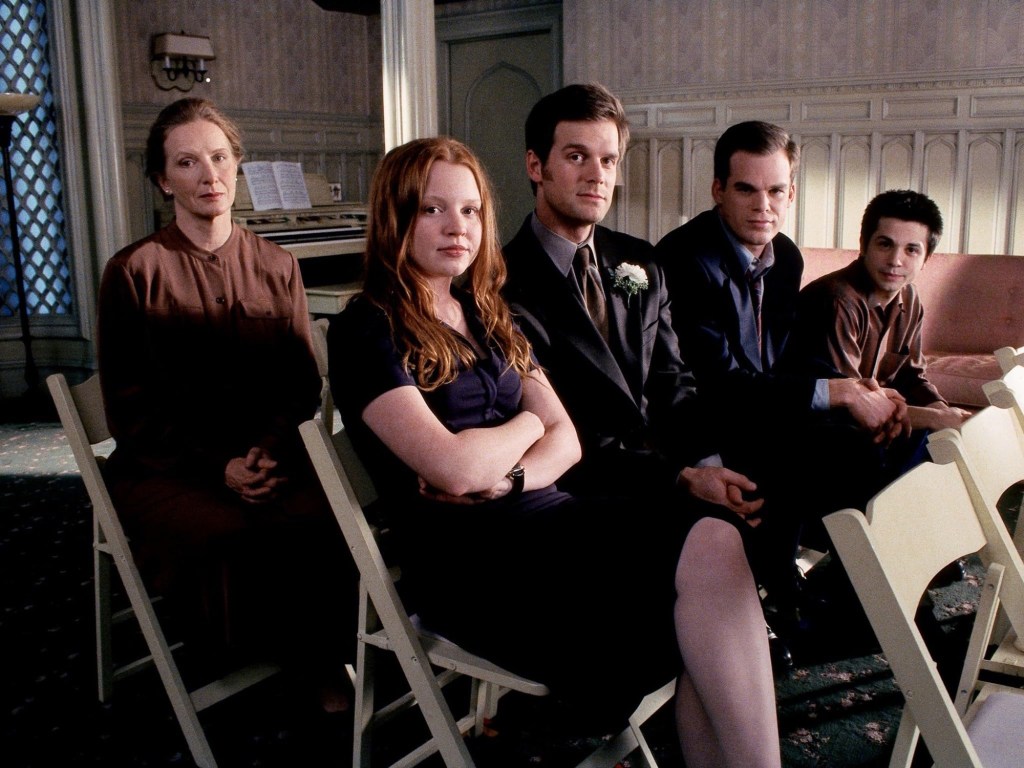
As the family’s matriarch, Frances Conroy’s Ruth shows the complex portrait of a mother who feels lost and dissatisfied yet wants the best for her children. Her arc touches on many’s frustrations with motherhood or marriage becoming cages rather than choices. Ruth can be overbearing with her emotions, laying on the unpredictable side. This is a strength that Conroy flawlessly conveys through a layered role that sees beyond a traditional mother. For her, it’s about self-discovery and learning to embrace new challenges after the only man she has been with is dead.
Lauren Ambrose as Claire fits the mold of those who were teenagers when it first started airing. Being the youngest and the most rebellious of her siblings, she longs for the quest for purpose for what’s next since she feels misunderstood. Ambrose brilliantly captures the frustration and forging of one’s self that makes her so resonate with those about to become adults. Most of her creativity comes from a passion for art, particularly photography. But you also can’t help but feel bad that she couldn’t find the right guy when her boyfriend from high school, Gabriel Dimas (Eric Balfour), becomes a drug addict, and Russell’s (Ben Foster) bisexuality comes into question when she meets him in college.
There isn’t much discussion of Rico, who is often overlooked, despite his unique presence and perspective on the show. Played by Rodriguez, he’s portrayed as a dedicated family man to his high school sweetheart, Vanessa (Justina Machado), and their two sons. He’s highly respected as a restorative artist, a role in which he takes great pride. His transition from respected artist to partner since season three shows his commitment to this field. Rico isn’t perfect, but he does a great job balancing his personal aspirations and obligations to his family. One of my favorite moments with him was during a flashback of visiting Fisher & Sons after his father died after slipping off the roof. Once he saw that Nathanial made him look like he had never had an incident, Rico was stunned, almost like a calling to follow in Nathanial’s footsteps. That moment alone is why he got nominated for an Emmy.
But the true revelation of the cast was undoubtedly Rachel Griffiths’ Brenda. The Australian actress, known for her Oscar-nominated role in Hilary and Jackie, delivered a performance that brought the most intricate and multi-layered character to life. Brenda’s on-again/ off-again relationship with Nate, driven by her belief in her intellectual superiority (a basis of the book “Charlotte Light and Dark”), adds a compelling layer to her complexity while growing up. Like him, she too struggles with commitment, especially when she battles depression and grapples with sex addiction while writing a novel during season 2. These struggles led to the painful decision to end their engagement. Side note: Griffiths and Krause’s fight in the episode “I’ll Take You” is so well-acted that it’s one of those scenes I’ll go back to oddly. Despite these hardships, it’s hard not to see her love for Nate shining through. It’s this love that keeps their chemistry alive, even in the midst of a rather messy relationship through the years. Her relationship with her bipolar brother Billy (Jeremy Sisto) usually borders on the thin line when he can be crazy when off his medications, forcing her to take care of him and feeling like it’s almost coming across an incestuous relationship. Though not in a Jaime/Cersei from Game of Thrones level of creepy.
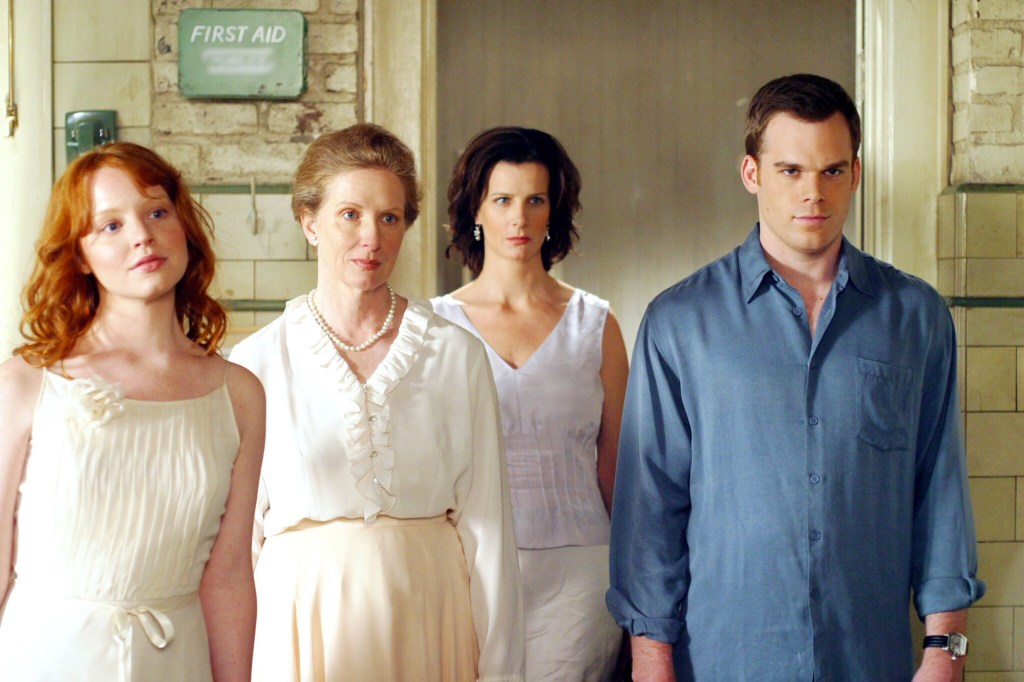
Seeing how each episode starts with a death, Six Feet Under takes that subject nobody loves to discuss, even today. It’s really the exploration of it as a constant presence to understand it’s a part of life. There’s this strong theme of searching for meaning and the reminders of mortality. Out of everybody, Nate grapples with questions of existentialism once he discovers he has an Arteriovenous malformation (AVM) or later becomes a father when his former girlfriend from Seattle, Lisa Kimmel (Lili Taylor), is pregnant. But I appreciate how it doesn’t shy away from these issues because we’re all human, and growth comes through suffering and reflection. More importantly, we tend not to know every detail about somebody we were once close to. We’re probably left with thousands of questions about a particular person that will leave a mystery. The Fishers feel this when Nathaniel passes, especially when Nate discovers his father had a secret room above an Indian restaurant. The fact that he doesn’t know what happened leaves us with that ambiguous feeling that isn’t appreciated anymore on television. Our reactions to grief can be unexplainable if we cry, laugh, or get confused by the sheer news of it all.
As much as I love this series, I didn’t care for season 4. Even some of my favorite shows have one season that sticks out like a sore thumb, like Game of Thrones (season 8) or Parks and Recreation (season 1). This season was more of a disappointment, with the quality of the writing feeling like a mixed bag. That’s not to say it is all bad since it introduced us to James Cromwell as George Sibley and offers more intrigue following Lisa’s death. However, it hampers the rushed relationships between Ruth and George’s quick marriage, without getting to know each other, and Brenda’s moving in with her neighbor Joe (Justin Theroux). There are even less exciting character arcs of Rico dealing with the aftermath of his infidelity with a stripper, or Keith taking a new security job for this popular music artist. However, if you recall the episode “That’s My Dog,” you’ll remember how uncomfortable it was to sit through it. David picks up a hitchhiker after believing his car is out of gas and kidnaps him around the city. I get the intention is to feel startled for his life, and it explains his panic attacks and PTSD later on, but you hate seeing him almost die when he thought he’d be doing a good deed. Maybe I’m in the minority, but without question, it was the worst of the entire series, along with “Grinding the Corn.” It took me a week to get to the next episode.
Thankfully, the fifth and final season finished stronger than I expected. When I thought things were running out of steam, the writers attempted to throw some emotional surprises. The season shows the Fishers and viewers how fragile and unpredictable life is. In particular, Nate’s sudden, tragic death underscores the show’s existential focus. The story compels his family to confront their grief and undertake a candid examination of their lifestyle. This season also provides opportunities for closure and resolution as each character’s journey comes full circle. They must decide whether to evolve or remain stuck in their past.
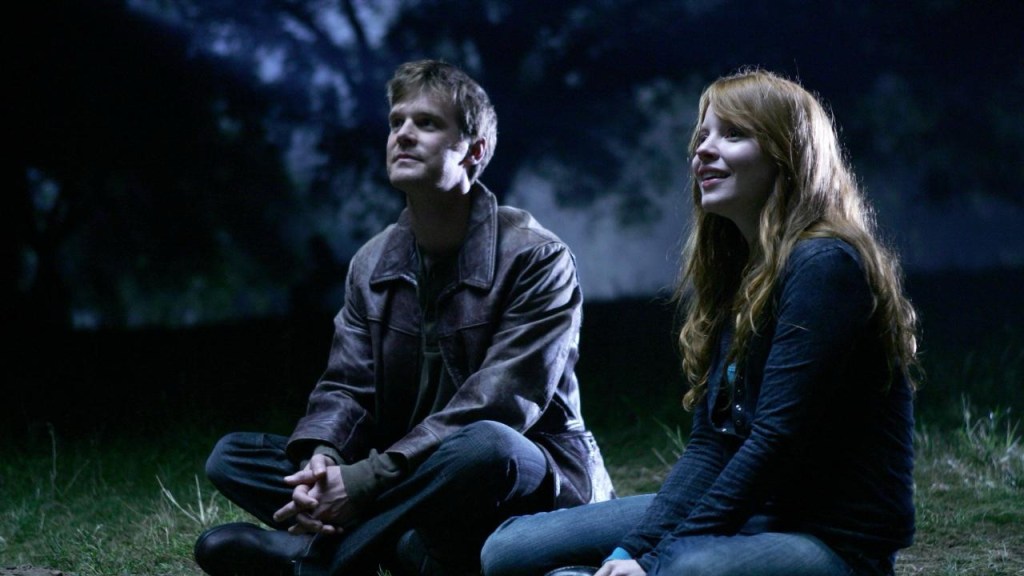
For years, I’ve heard that “Everyone’s Waiting” is regarded as one of the best series finales ever. To that, I say, “It’s true.” It’s one of the greatest, if not the best, finales in television history that should be studied. Was it sad? Yes. But was it beautifully profound? Absolutely. With Ball returning to write and direct it, the episode is best remembered for its final ten minutes. As Claire moves away from her home to start a new life in New York City, a flash-forward sequence shows everybody moving on with their lives, set to Sia’s “Breathe Me,” and depicts them in their final moments before they die. Rarely do the last episodes make me emotional, but I seriously cry every time I watch or think about it. While it’s heartbreaking seeing characters we’ve grown to care for pass away, it reinforces the show’s core message about how death is inevitable and that the only way to live meaningfully is to embrace life’s fleeting moments. The finales of various HBO series can be hit or miss. Here, this hit the mark all the way to the final scene.
In some way, shape, or form, Six Feet Under helped people believe it’s okay to talk about death. I still fear it, not just for me but for everyone I know. This year alone, I lost both my maternal grandparents and a co-worker whom I’ve known for almost two years; it’s hard mentally and causes anxiety. I found that talking about my feelings with friends and family and engaging in activities that bring me joy have helped me cope with these losses. But whether someone you know personally or even a celebrity we’ve grown to admire throughout their career dies from an illness or something like an accident, it feels like the end of the world. That period of depression rings true. But eventually, it becomes normal to be open to why we’re afraid of what’s next in our future. And also, we should allow the right amount of time to move on and be thankful they were a part of our lives. I think back to the season one finale, “Knock Knock.” When Tracy Montrose Blair asked Nate why people have to die, his reply stuck with me: “To make life important. None of us know how long we’ve got, which is why we have to make each day matter.”
In the end, Six Feet Under masterfully weaves together complex, universal themes like death, family, and personal growth, making it one of the most relatable dramas of the 21st century. Its exploration of loss, love, and the intricacies of family life will resonate with anyone who has experienced these emotions, fostering a deep connection with its characters, all thanks to a perfectly cast ensemble.
Seasons Ranked: 1, 5, 3, 2, 4
Top 10 Favorite Episodes:
- Everyone’s Waiting (S5.E12)
- Pilot (S1.E1)
- All Alone (S5. E10)
- Knock Knock (S1.E13)
- It’s the Most Wonderful Time of the Year (S2.E8)
- Time Flies (S5.E4)
- Driving Mr. Mossback (S2.E4)
- I’m Sorry, I’m Lost (S3.E13)
- The Last Time (S2.E13)
- Untitled (S4.E12)

 DC's Take